
New Year Break
We left Devon and drove across country to Kent, stopping on the way to see Rosemary. She recently moved to a new place, so we were glad to break the journey and see her new home. After a delicious fish pie lunch, we had a couple of hours left in the drive to arrive at our accommodation in Kent, a few miles south of Canterbury.
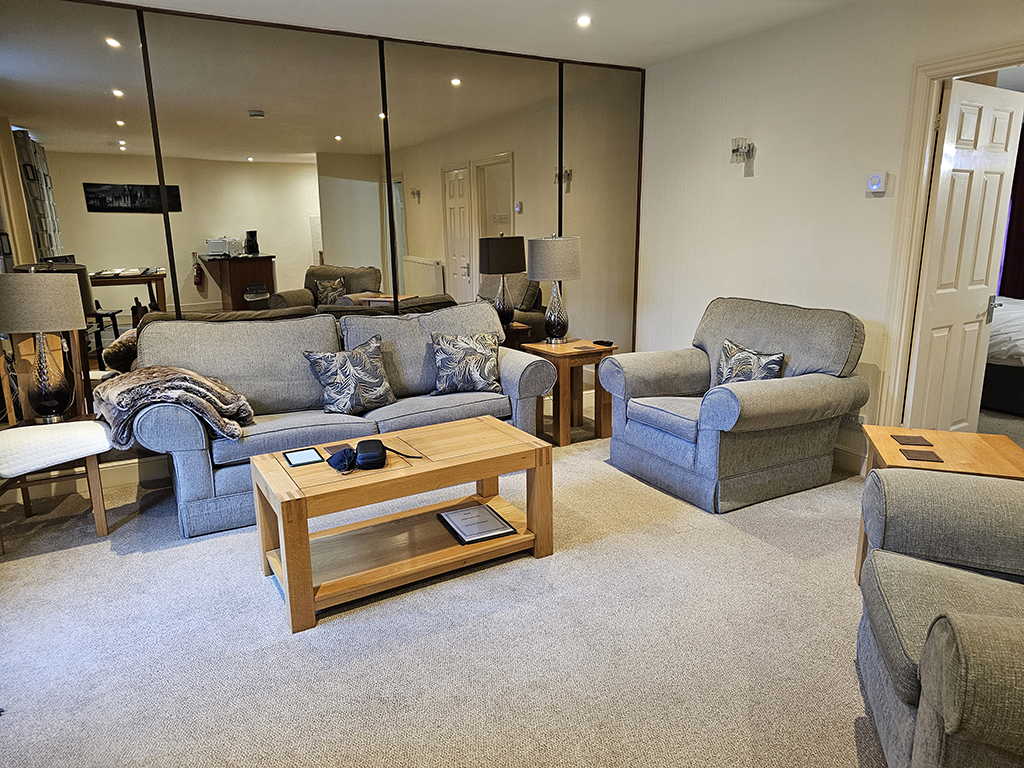
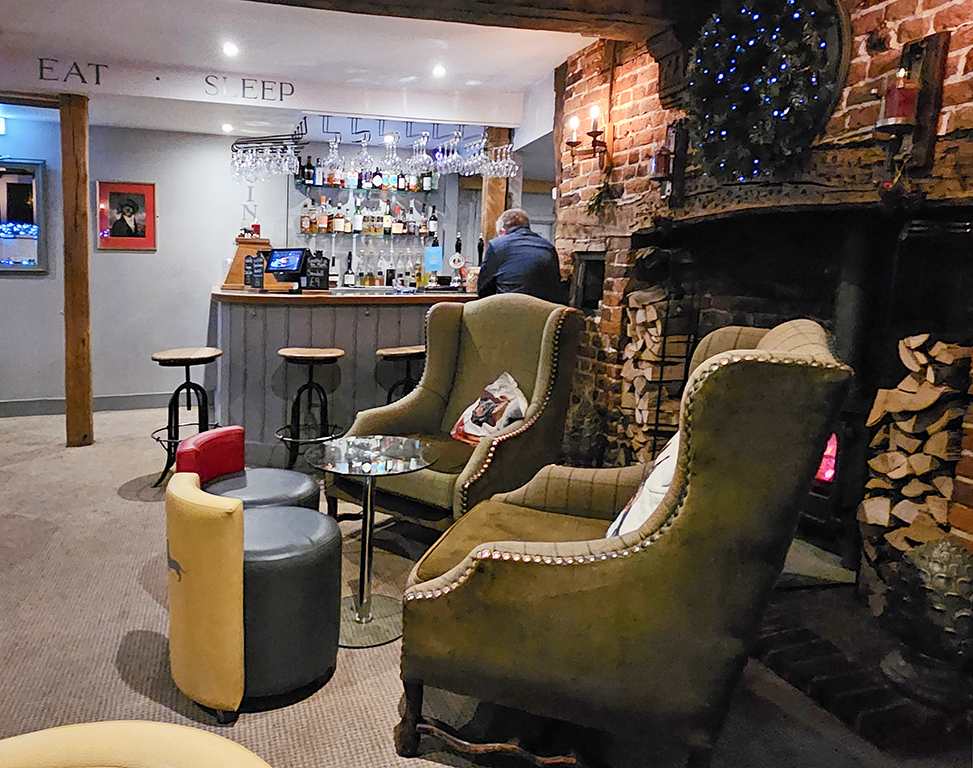
We have stayed at this timeshare before, so we knew what to expect. As before, it is very clean and spacious, but furnished with the absolute minimum, and there are no extra touches. Originally associated with Broome Park Hotel, the timeshare association separated (as so many do in this country) some years ago, and now runs as a private owners’ club. Fortunately, the hotel still welcomes villa residents for their amenities.
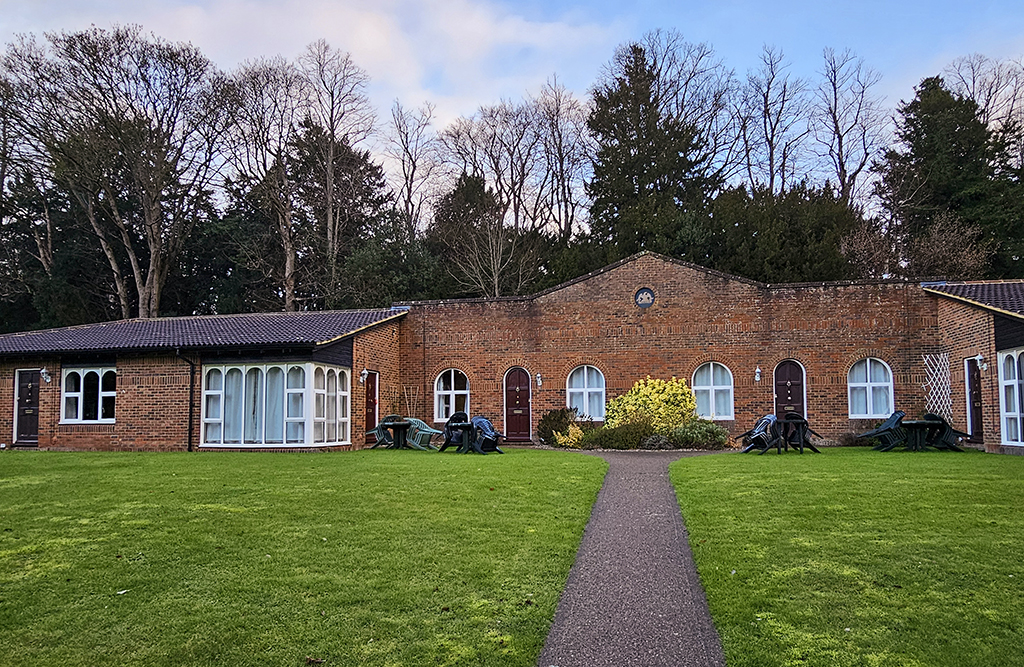
The original estate was purchased in 1635, and a large brick mansion with stables and brew house was built. The property passed through several hands, the last private owner being Lord Kitchener, who bought the hall in 1911, for £14,000. He restored some of the house, but he died at sea in 1916, when his ship sank off Orkney in Scotland. The estate was requisitioned in WWII by the Ministry of Defence, and was used as a military hospital. A Canadian tank regiment was garrisoned here in the months leading up to D Day, and there are rumoured to be tanks still buried under the golf course. In 1979, a leisure company bought the property and built woodland lodges and the golf course. In 2017, a new investor bought the complex and turned it into a wedding and large event venue. It still operates as a country house hotel and golf course. Reviews suggest that the weddings impact negatively on the experiences of other visitors.
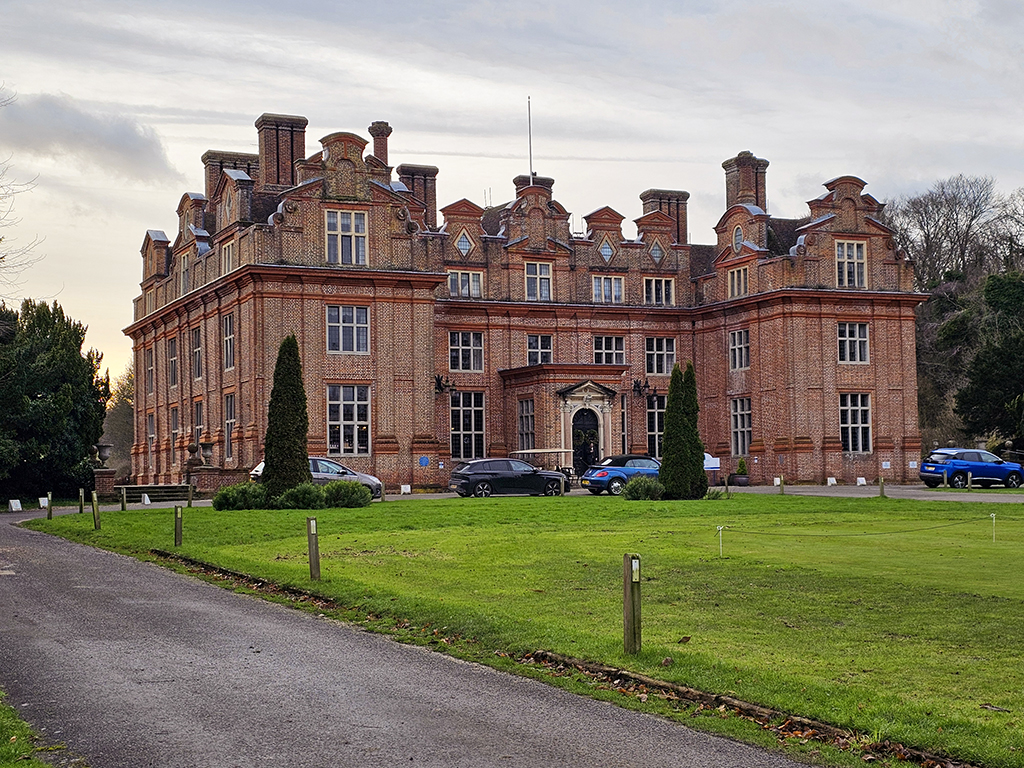

Broome Park is in a very convenient central location for exploring Kent. On our last visit we went north to the Thames Estuary, and east to the coast. On this visit, our plans were to visit the coast further south than previously and explore towards the southwest.
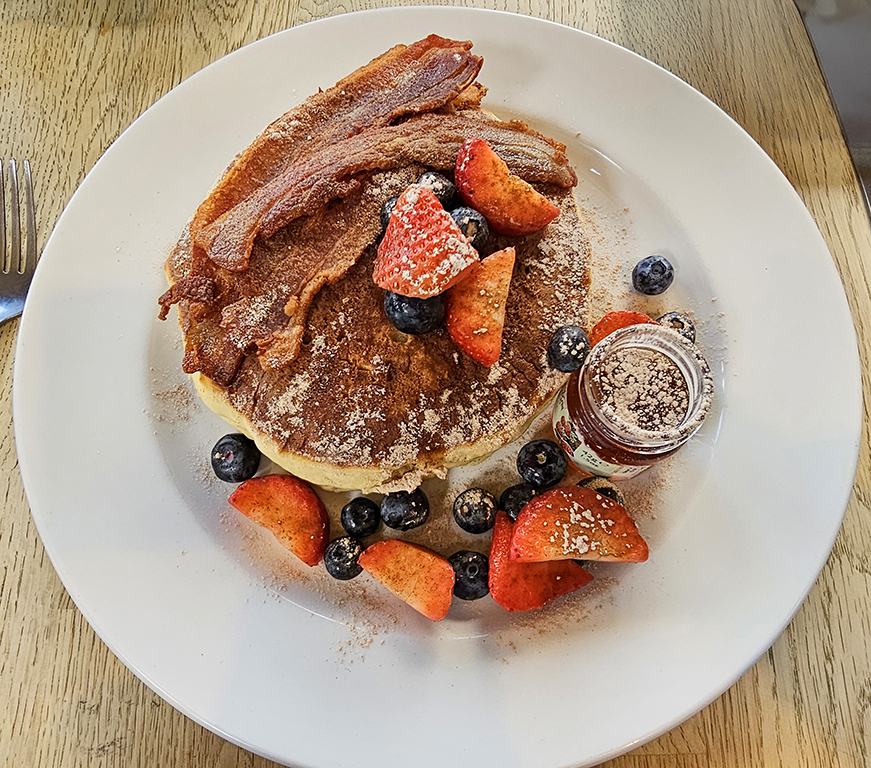
Although clean and recently renovated, the villas have very inadequate kitchens, so we decided that we would not be doing any cooking, not even Dick’s signature weekend breakfast. Instead, we chose to visit Gibson’s Farm Shop, who have opened a restaurant and serve breakfast. We loved the farm shop on our last visit, in fact it set a very high bar for all other farm shops we visit on our travels! Breakfast was very good, and we enjoyed browsing the offerings in the shop. Of course we picked up a few interesting foodie items.

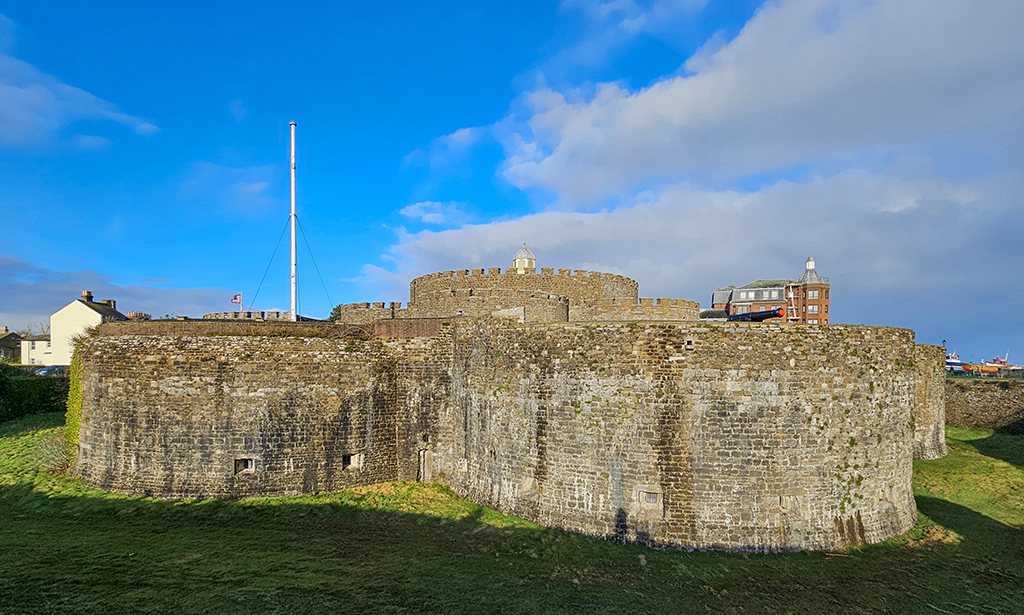
We drove east and south to pick up the coast just north of Deal. Like many of the coastal towns, the waterfront shows signs of former prosperity that is now sadly faded. As you drive to the outskirts, things improve and there are tidy neighbourhoods of neat bungalows, presumably a mecca for retirement near the sea. Deal Castle was interesting.
Deal’s association with the Cinque Ports (more on that later) ensured prosperity during the Middle Ages, and in time it grew to become the busiest port in England. Deal Castle was one of several built by Henry VIII to protect the coast against foreign invasion. Deal boatmen were famous for their skilled seamanship and ability to launch from the beaches. Ships would wait in the area between Deal and the offshore Goodwin Sands for favourable winds to continue their voyages to the North Sea, the Thames Estuary, and the English Channel and beyond. Passengers found it convenient to disembark in Deal and travel overland to London, rather than waiting for their ships to be able to get into the Thames. There was also an extensive smuggling trade in the 18th century, as along most of England’s southern coasts.

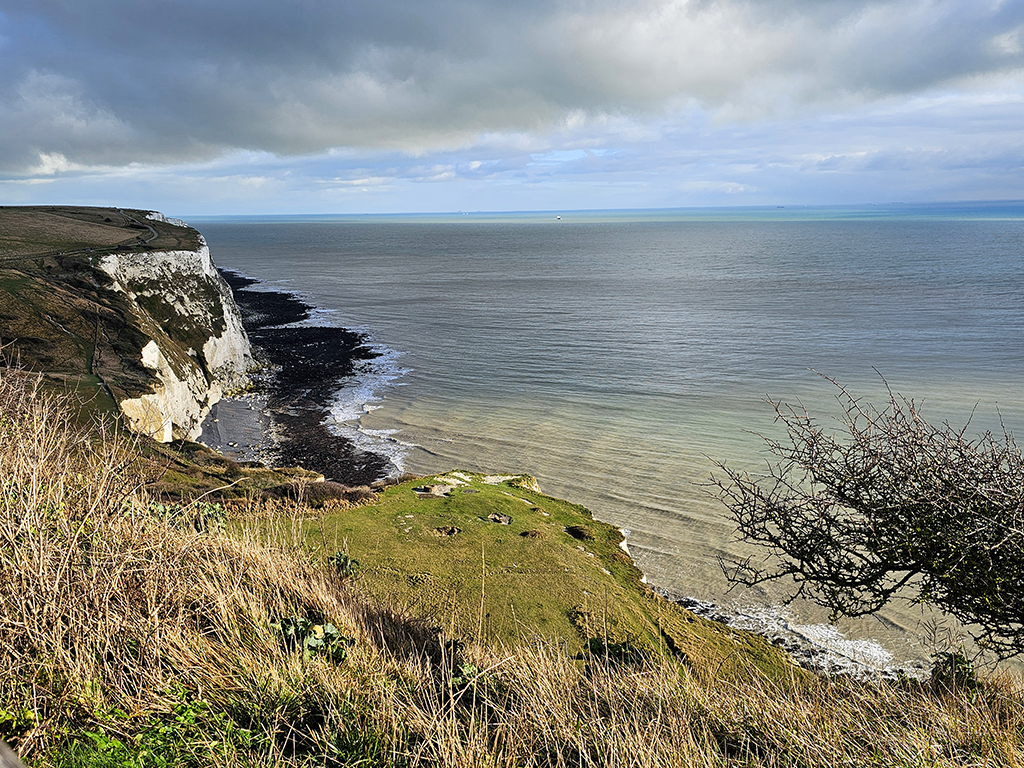
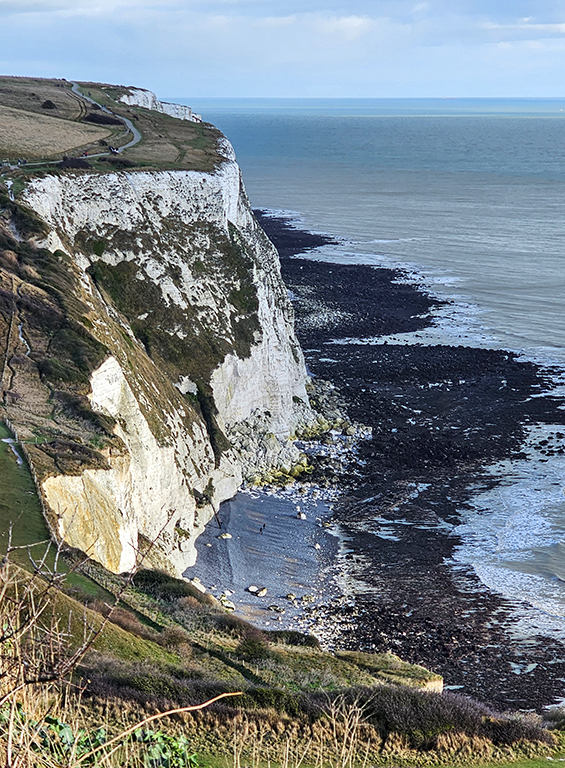
We followed the coast south towards Dover. Here we parked and walked up the hill to have a look at the channel and the famous White Cliffs. This is the narrowest part of the English Channel, only 21 miles from France.
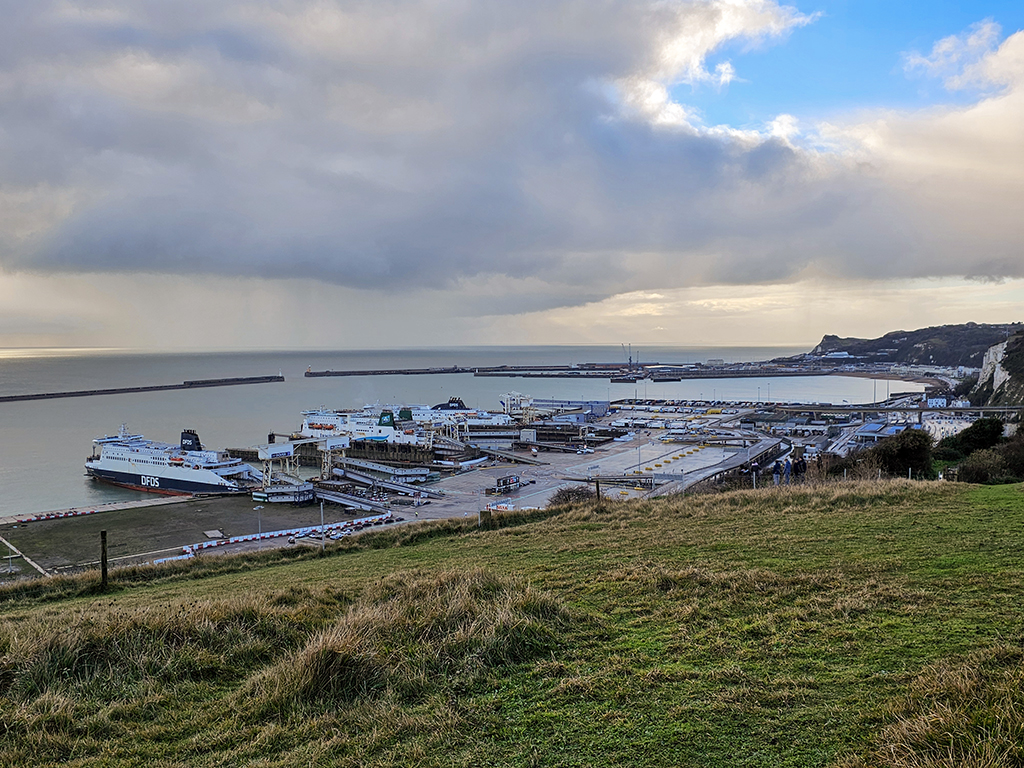
Dover’s history goes back to the stone age. A few years ago, a boat was discovered in the channel that has been dated to about 1550 BC. Bronze axes prove that there was trade between Britain and the continent even then. Dover was an important fortified port during Roman times, and there are the remains of a Roman lighthouse on the cliffs above the town, and a nearly complete one in the grounds of the castle.
The Cinque Ports were a confederation of five ports around the southeast of England, holding a royal charter to provide ships for defence in return for concessions on trade. During its heyday, it expanded to over 40 members, but a gradual decline began as early as the 14th century. The confederation is still in existence, now with just 14 members, and entirely ceremonial.
In 1216, Louis VIII of France landed an army at Dover and held the area for 3 months before English troops were able to push back and force surrender.
Today the Port of Dover embarks ferry traffic to the Continent. The English Channel at this point is the busiest shipping lane in the world, and traffic is controlled from a Coordination Centre in Dover. Marine search and rescue is also coordinated from the same centre. The beaches around Dover are the landing sites for many of the illegal boats that bring refugees and migrants across the channel. In addition to the ferries, the port is also used by cruise ships.
The famous White Cliffs of Dover stretch for 9 miles on each side of Dover, and rise 350 feet above the shore. They are composed of chalk, accented by streaks of black flint.
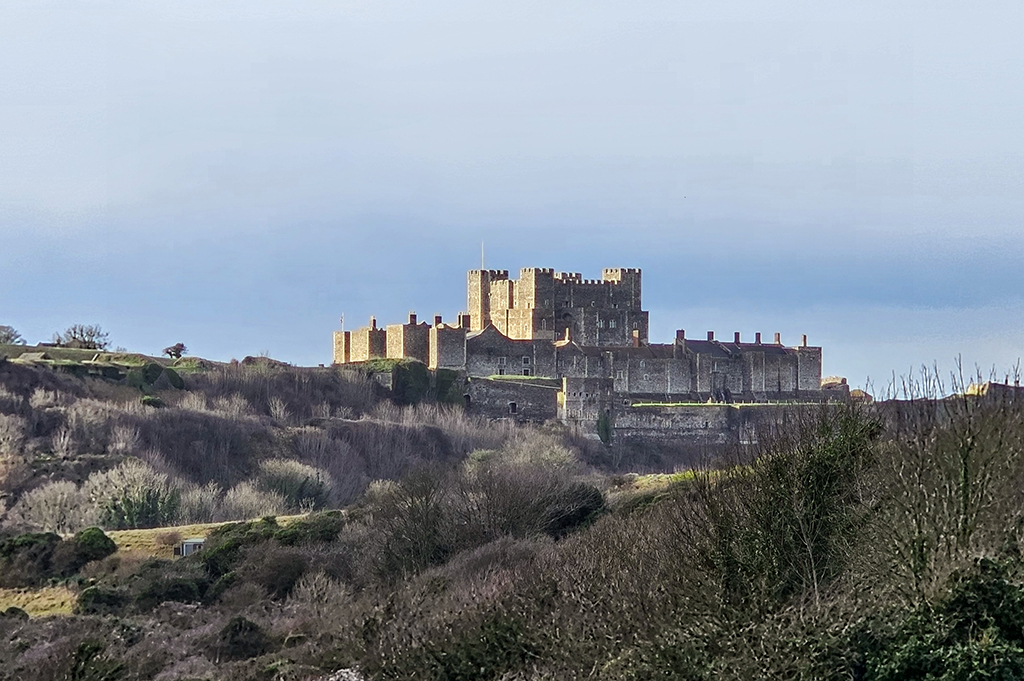
Dover Castle was founded in the 11th century, and stands sentinel above the town. It was garrisoned and increased over hundreds of years, playing an important part in the defense of the coast. During WWII the tunnels under the castle were an air raid shelter, a hospital, and a military command centre. The evacuation of Dunkirk was directed from the command centre.
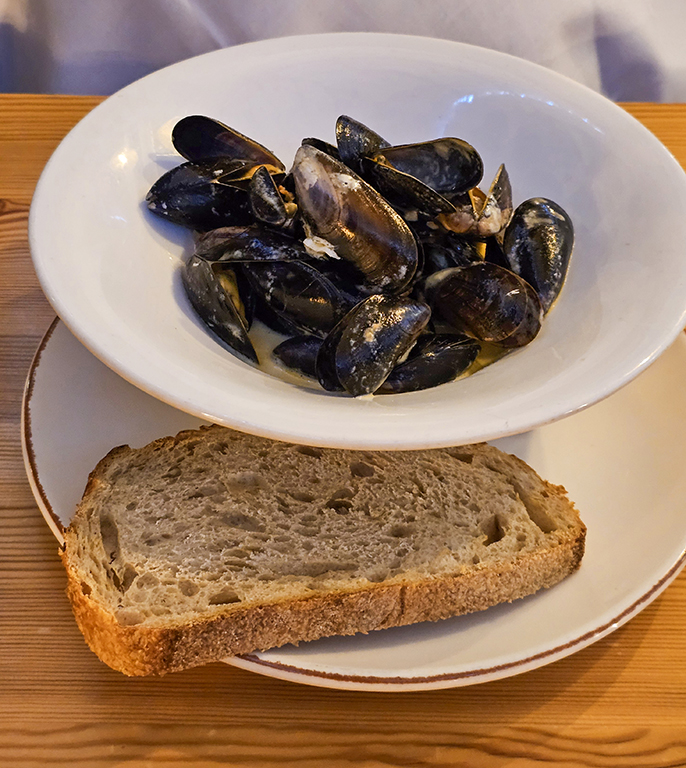
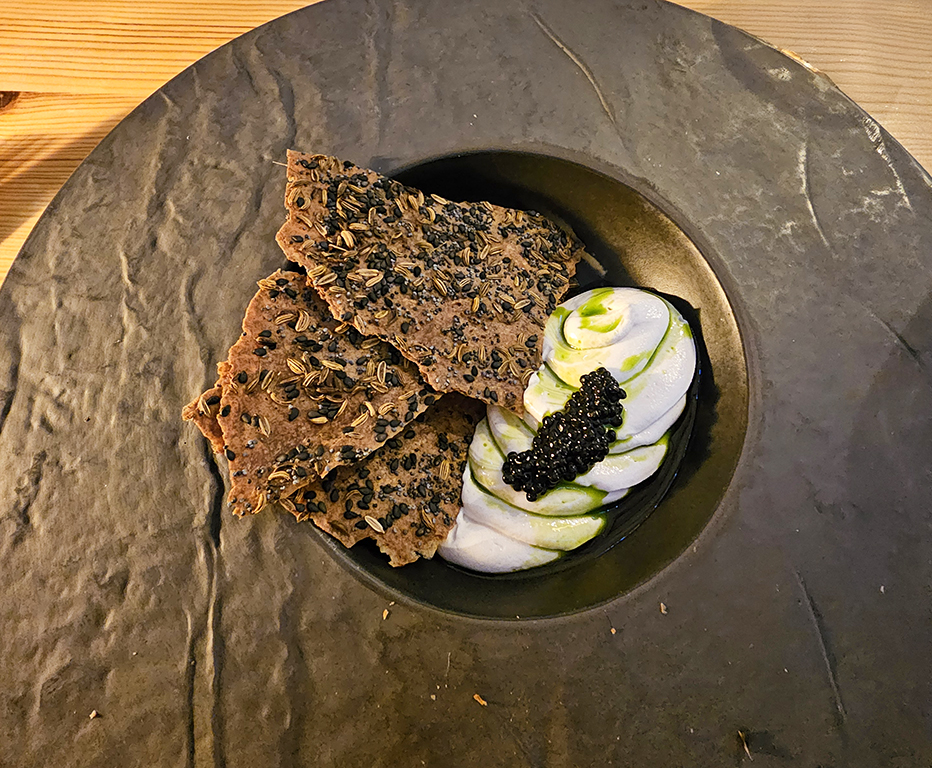
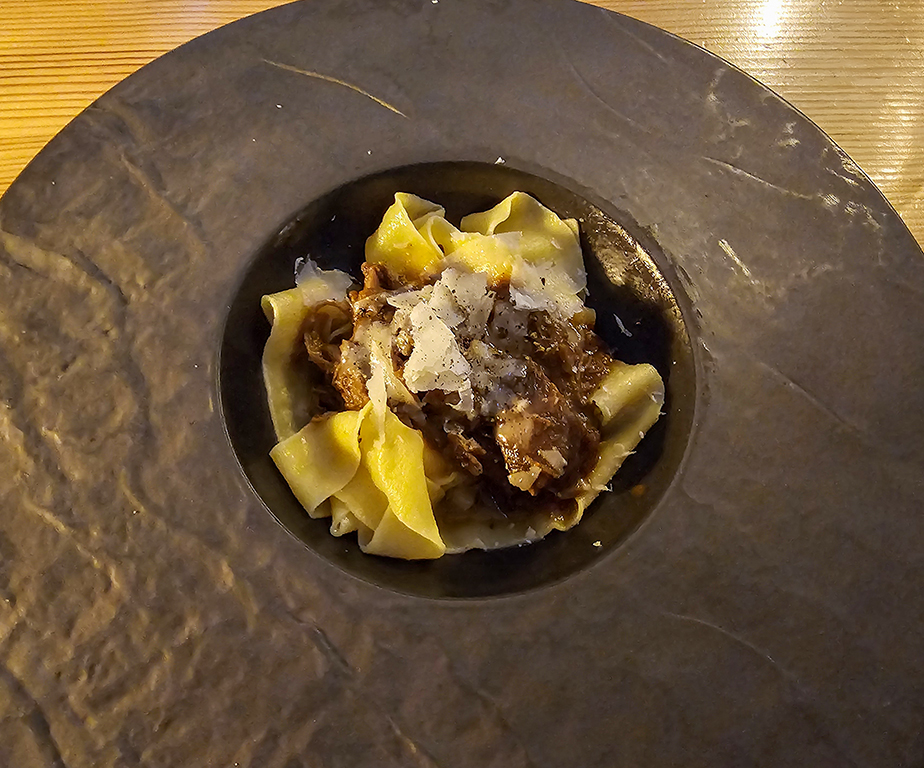
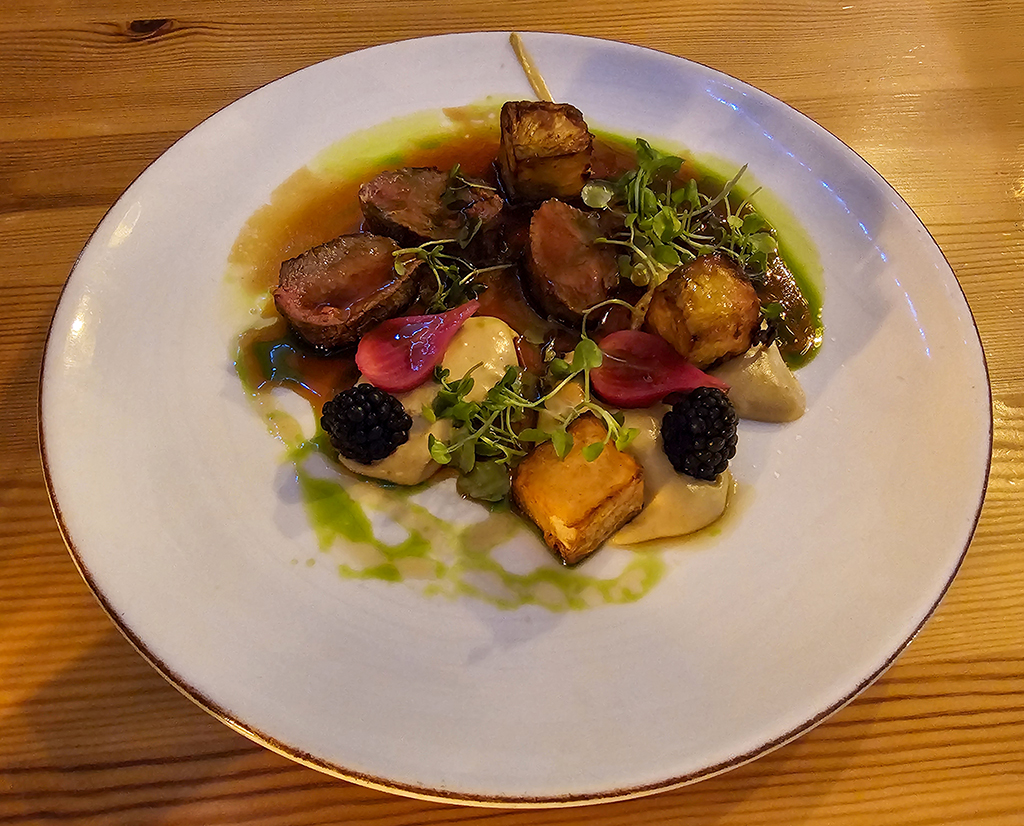
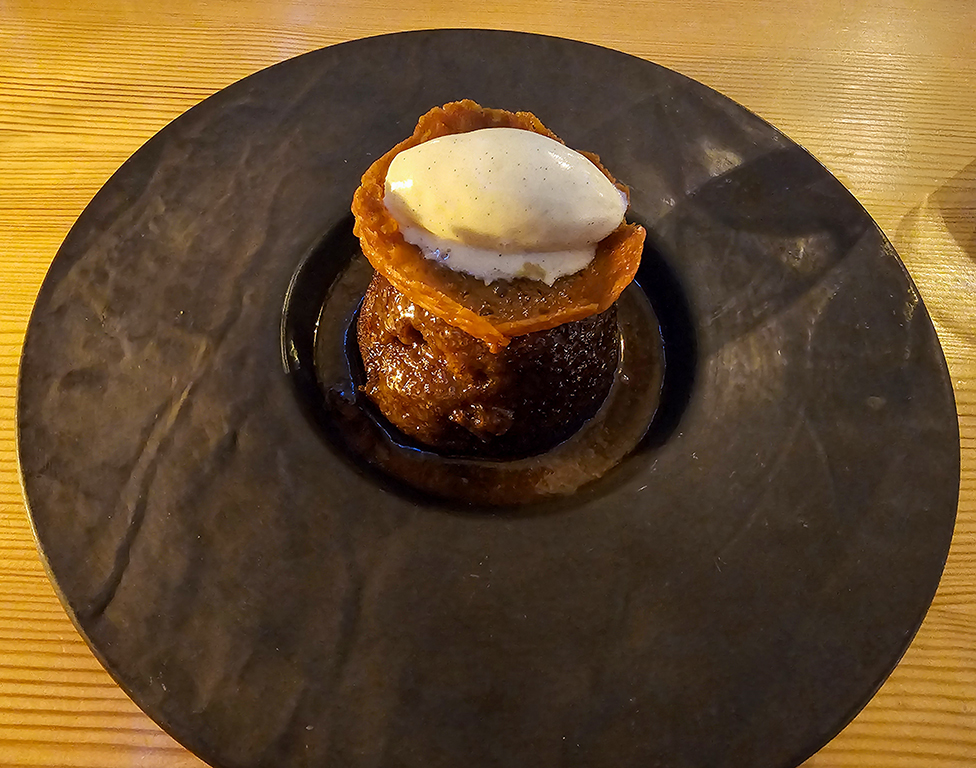
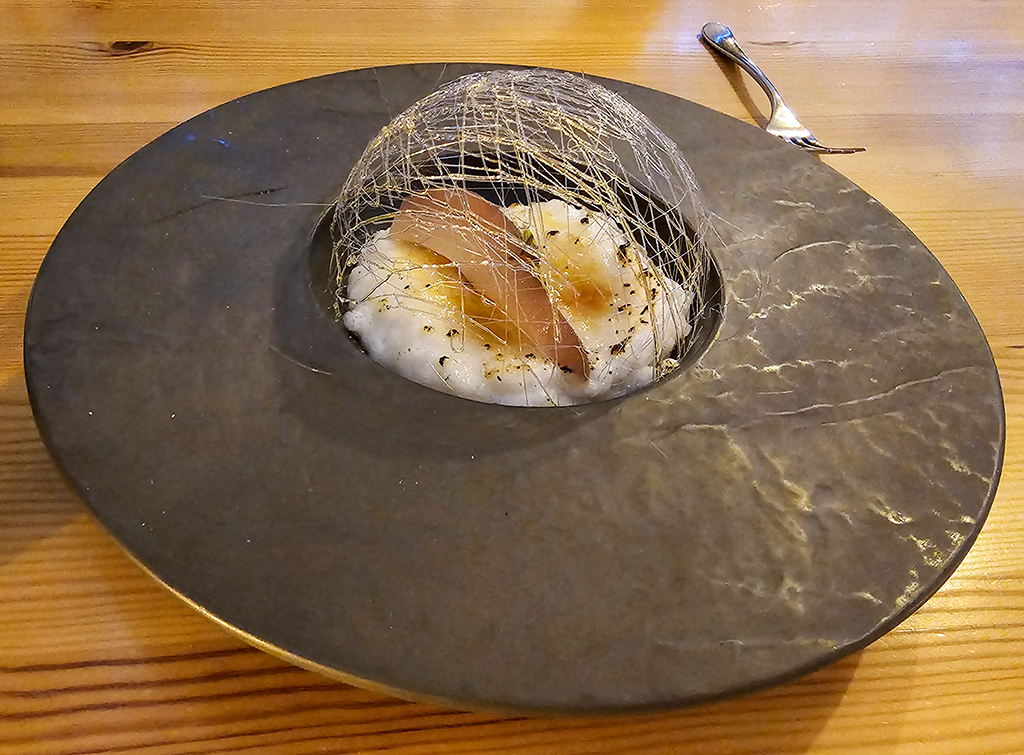
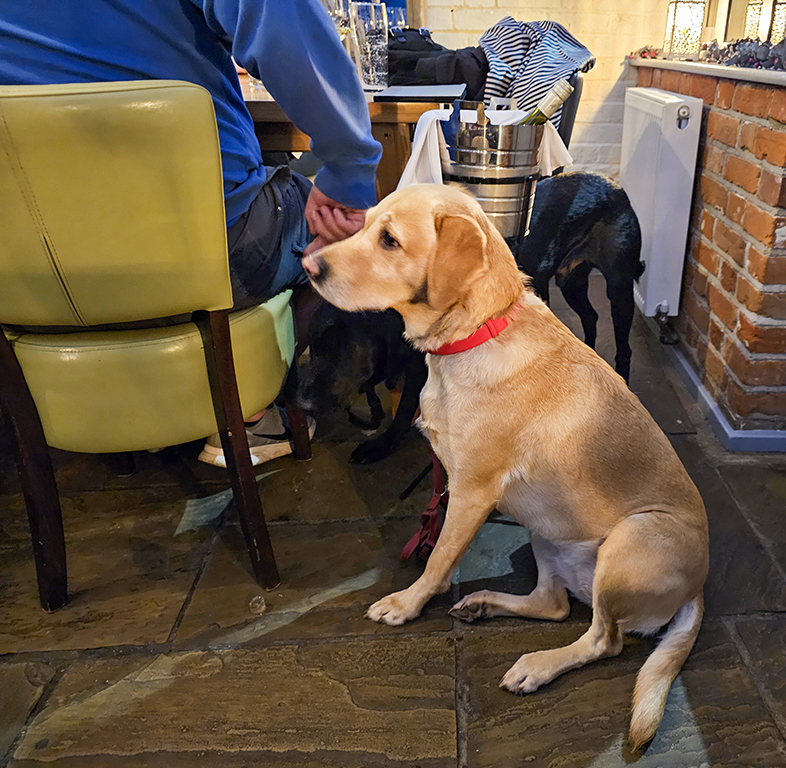
After our coastal excursion, we were happy to return to The Dog at Wingham, a gastropub that we had enjoyed on our previous visit. The food was outstanding. I was feeling adventurous, and tried whipped smoked cod’s roe with sourdough crackers and caviar. It was delicious. Dick enjoyed a starter of mussels in a cream sauce. He had been looking forward to the fillet of venison, and it was as good as expected. I ordered a small portion of braised beef with tagliatelle. Dick’s quite spectacular dessert was mulled pear rice pudding brulee. He was a bit dubious, thinking that the chef perhaps couldn’t decide what he was making, but once he tried it, he reported that it was as delicious as it was impressive looking. My sticky toffee pudding was also very good. We enjoyed seeing the dogs, two well-behaved labs at the table next to us, and a beautiful Gordon Setter in the next room. We were surprised that there were so few dogs that evening, last time there was one at nearly every table.
We decided that New Years Eve was a day to avoid being on the roads after dark, so we planned a visit to Folkestone and lunch overlooking the harbour.
First, we stopped at a wonderful antiques warehouse that we had enjoyed on our last visit to Kent. Offerings are quite extensive, and, for a change, there are very few junky items that would be better offered in a charity shop. There were a number of things that we had hoped to find for Steppe Haugh, including a carpet runner for the front hall, an attractive brass lamp for the study, and a set of fish knives and forks in silver plate with mother of pearl handles. Dick also fell for an elegant, mirrored firescreen for the lounge.
Folkestone has been a port since the 13th century, but its heyday was the 19th and the first half of the 20th century. Beautiful old Victorian and Edwardian buildings can be seen in the town centre, reminders of the glory days when it was the most fashionable resort of the time. Popularity of cheap overseas holidays ended most of the resort business, and the opening of the Channel Tunnel destroyed the ferry business.
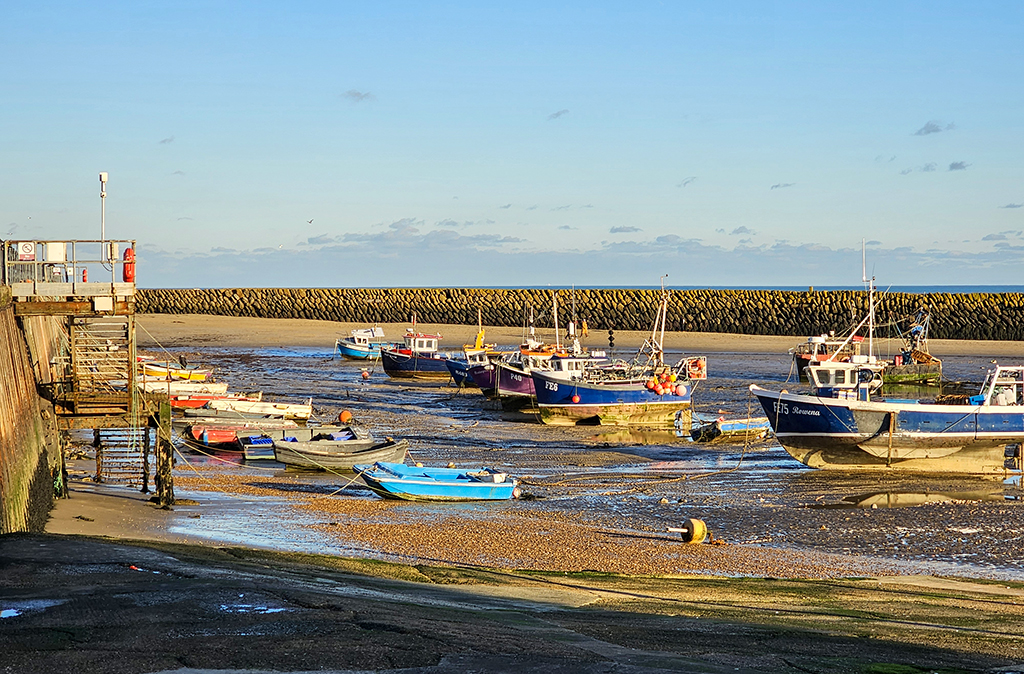
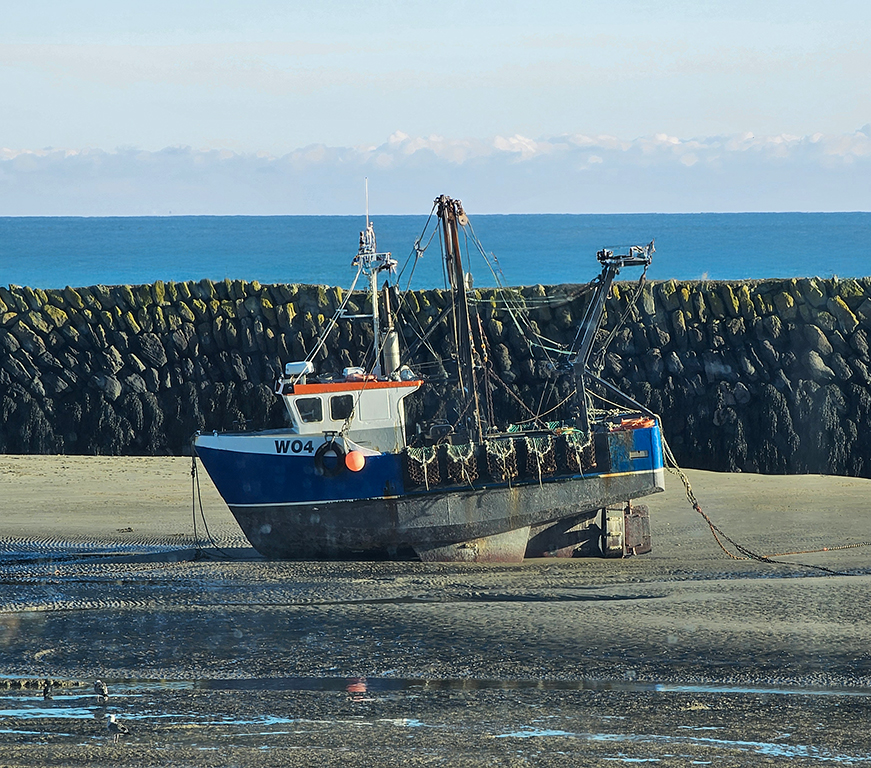
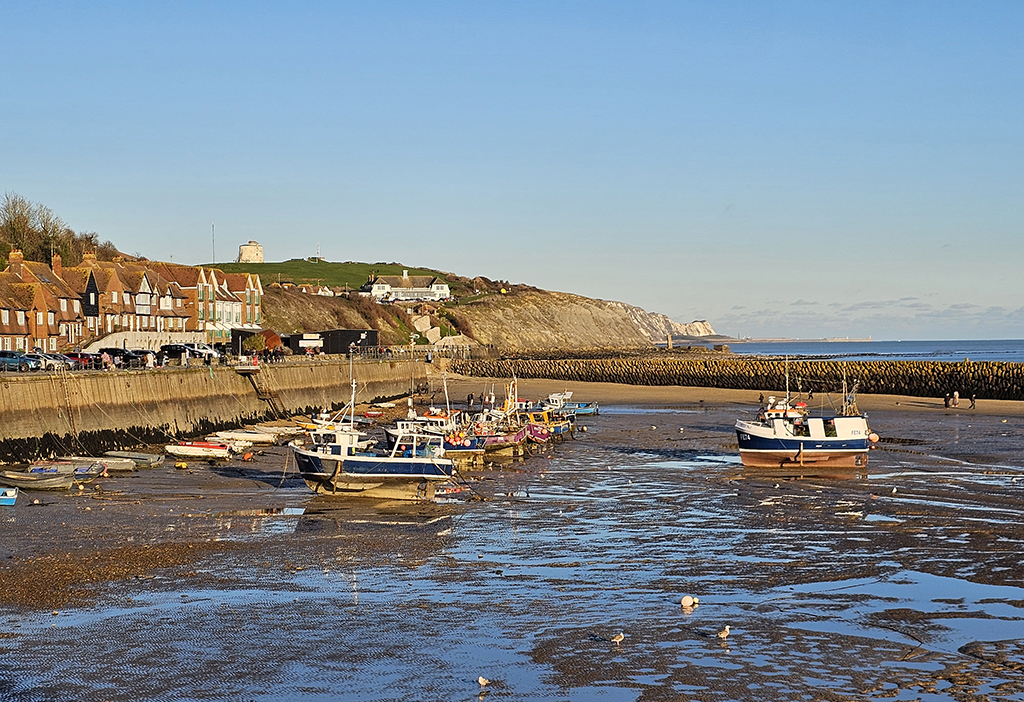
A large pier and harbour was built in the 19th century, including a railway station that brought travellers from London to the ferry port for passage to Boulogne. In recent years the Harbour Arm has been restored and rebuilt as a recreational space, with the railway closed and pedestrian access to a large market space, as well as parking. There are future plans for further construction. The harbour is still in use as a fishing port. The restaurant we planned to visit is a new building overlooking the harbour, with excellent views and outdoor dining for warmer days.
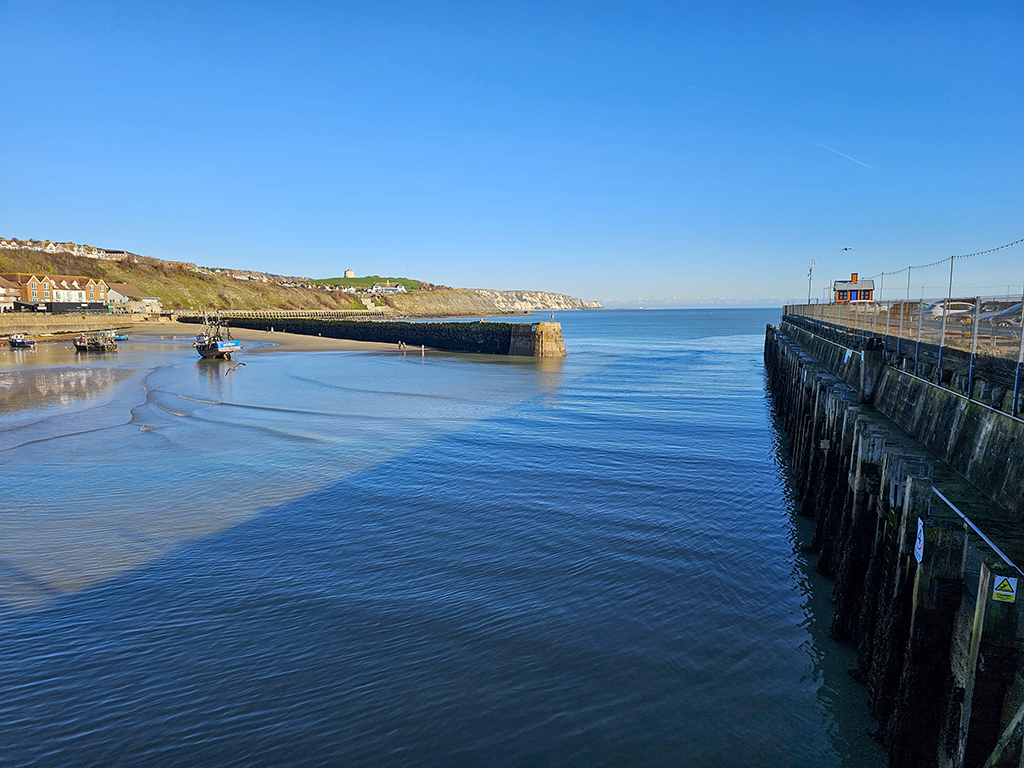
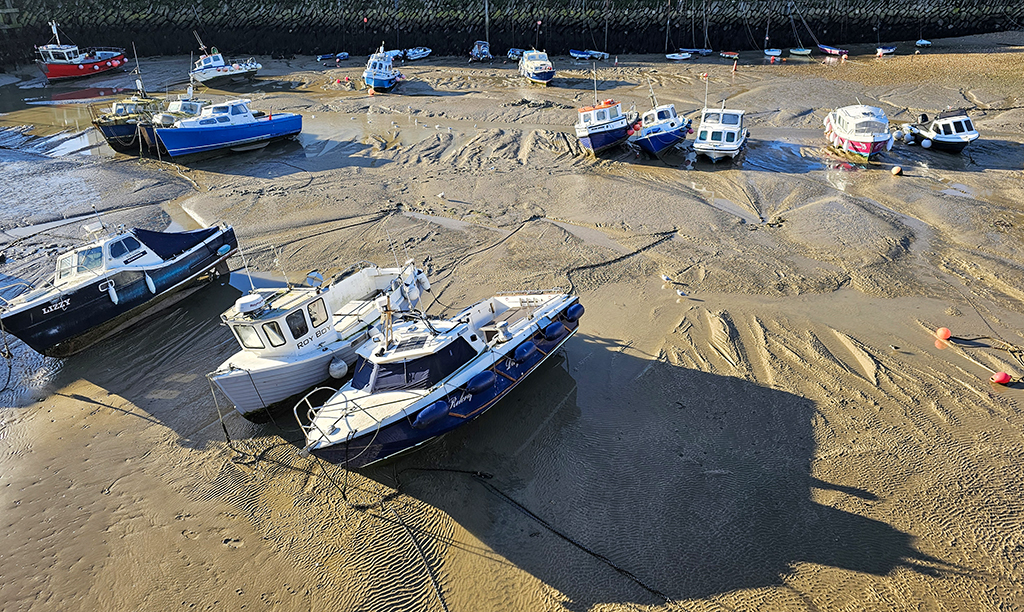

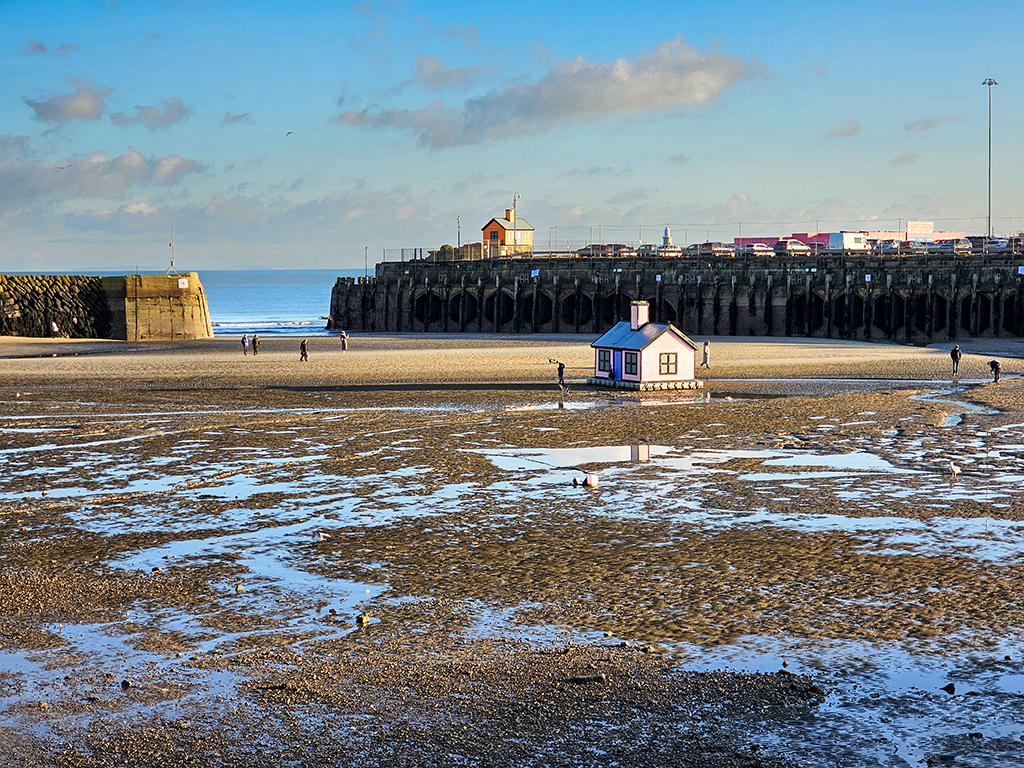
In addition to picturesque fishing boats, the harbour has a tiny floating pink house, part of an art festival celebrating Folkestone’s Triennial in 2017. Several of these colourful “Holiday Homes” were placed around the town, but the floating one in the harbour captured the imagination and has become a favourite attraction. I also noticed a brick sculpture of a hand that rises above the sand and is only seen at low tide.

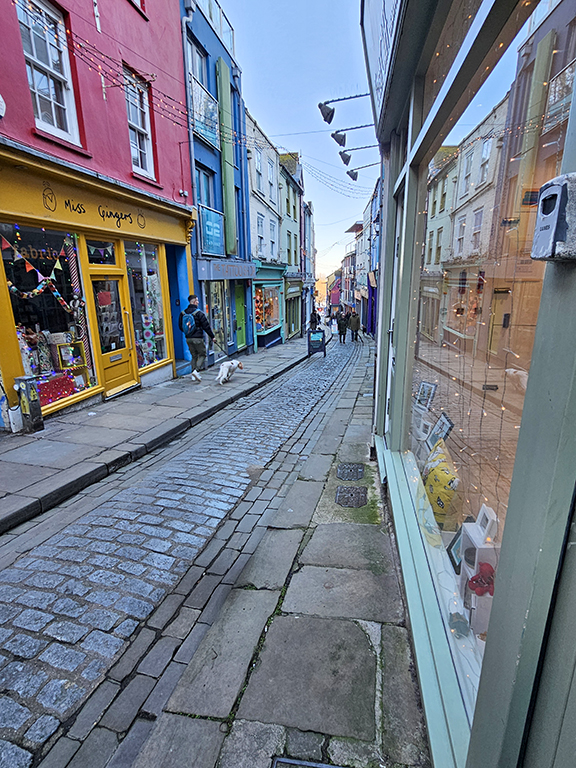
We hoped that the town centre had also experienced some of the revitalization, but in this we were disappointed. We walked up what appears to be the main street of independent shops, but they are not the interesting and upscale stores we usually see in an area that is on the way to gentrification. Tattoo parlours set the tone. Dick walked further up the steep street than I did, and reported that at the higher levels the shops are a bit nicer.
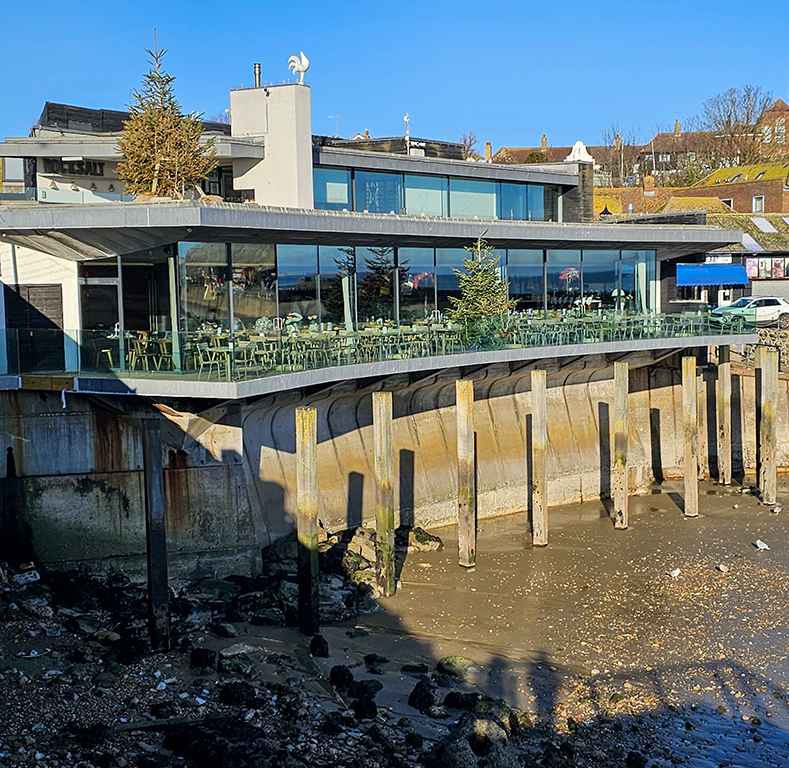
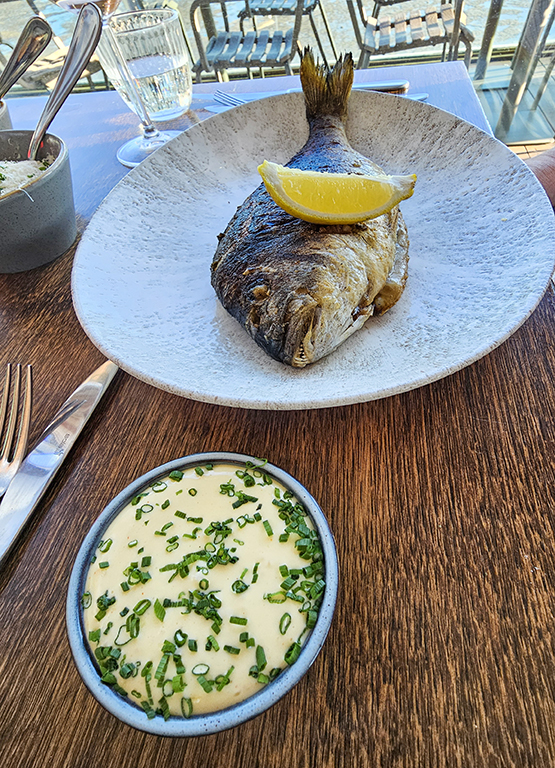
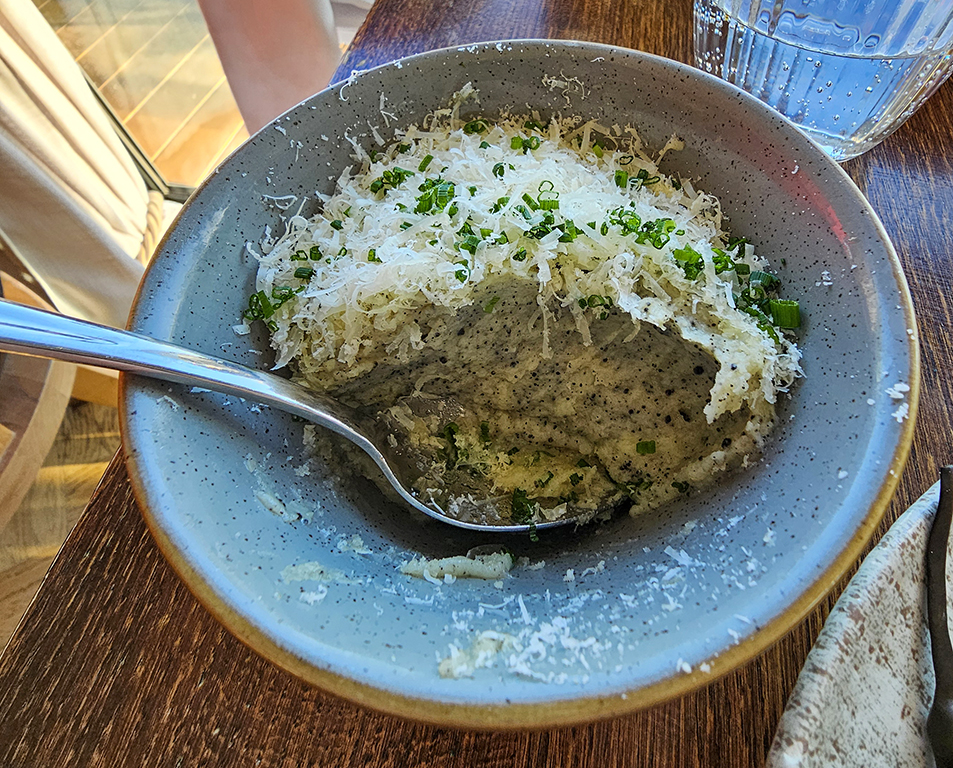
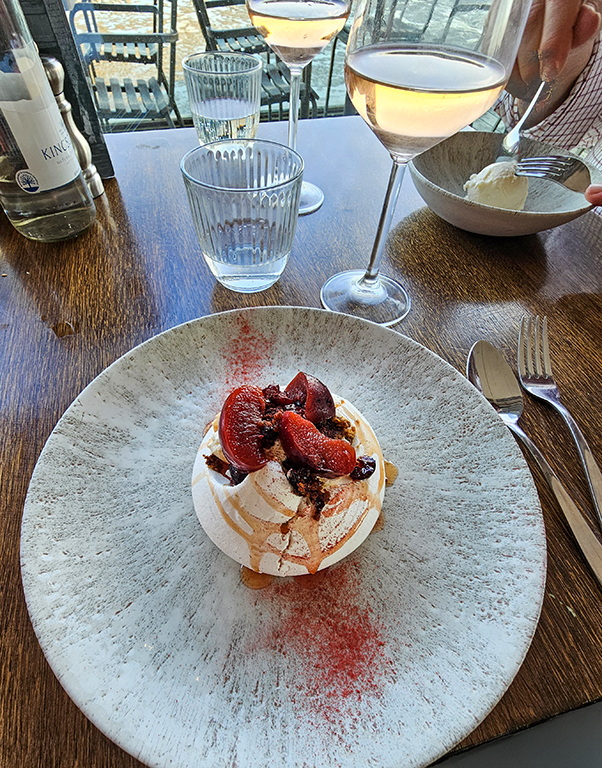
Our lunch at Rocksalt was excellent. It was a glorious day, and we were happy to have a window table. We enjoyed watching the tide recede and people walking their dogs on the sands.



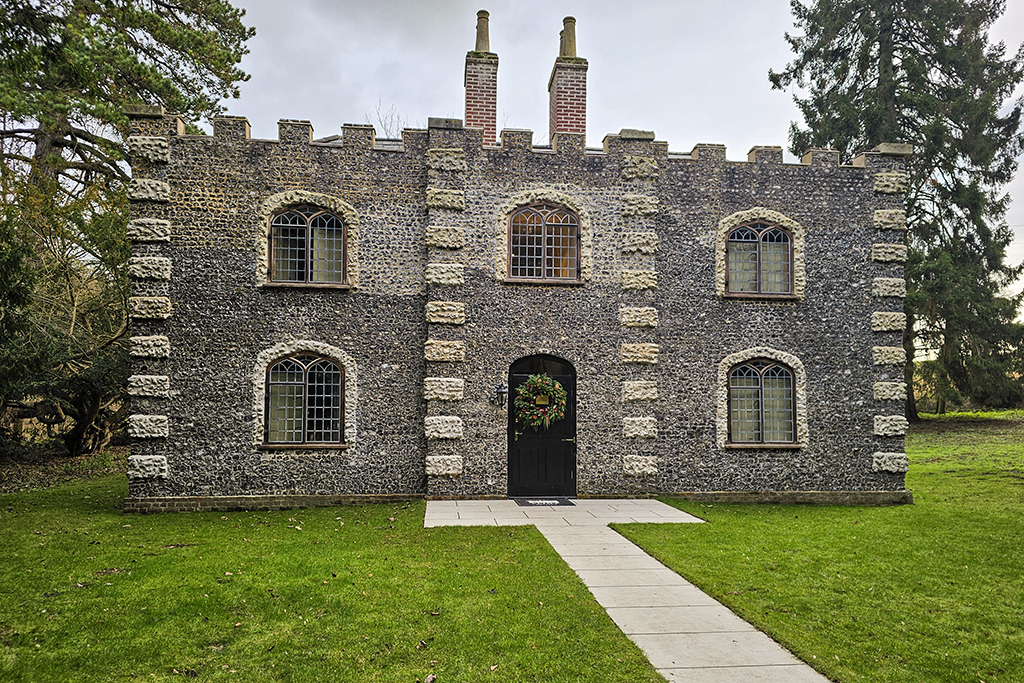
We stayed in for New Years Eve, and decided that the next day was also a good time to relax and not go anywhere. We took a walk in the afternoon around the estate. Flint Cottage was under reconstruction when we were here last, and it has now been completed, and you can rent one or more of the four ensuite rooms. If you take the whole house there is also a kitchen and lounge. The cottage was built in the 17th century of brick, but in 1778 the flint facing was added. When Lord Kitchener was refurbishing the mansion, he lived in the cottage, but after that it was allowed to become derelict until reconstruction was undertaken and it reopened in 2025.
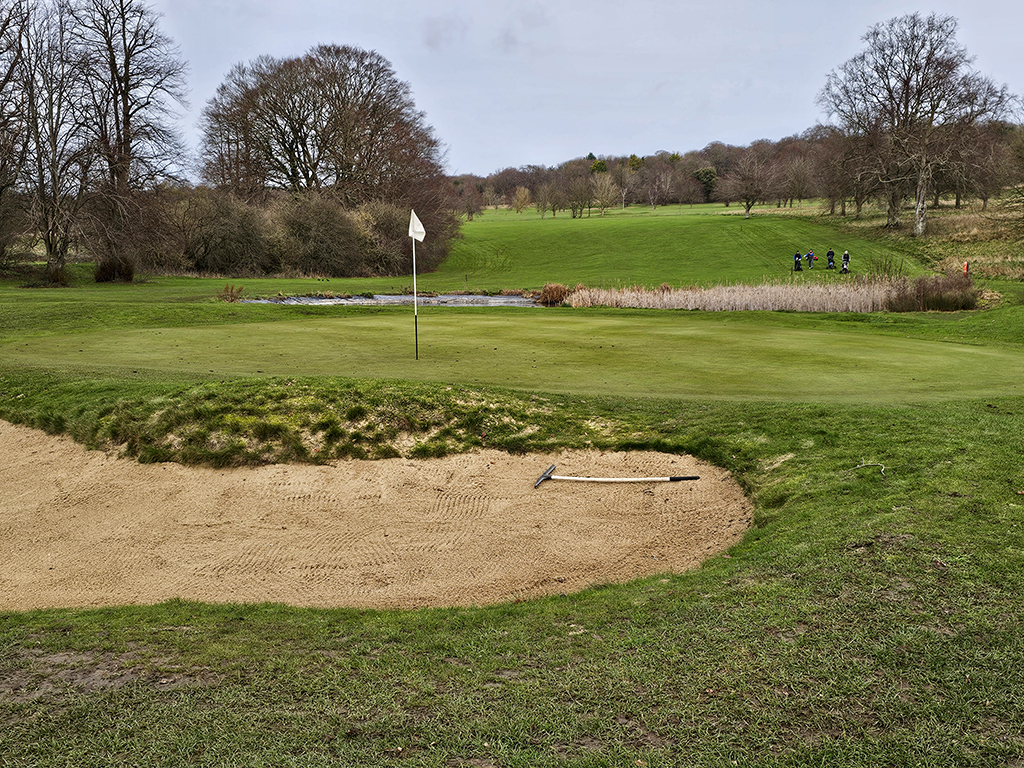
We also watched four golfers enjoying a game in the afternoon. The golf course appears to be typical of British courses, and at this time of year it is very muddy. Reviews of the course are mixed, with particular mention of the mud! We had hoped to try afternoon tea at the hotel, but they were closed to non-residents.
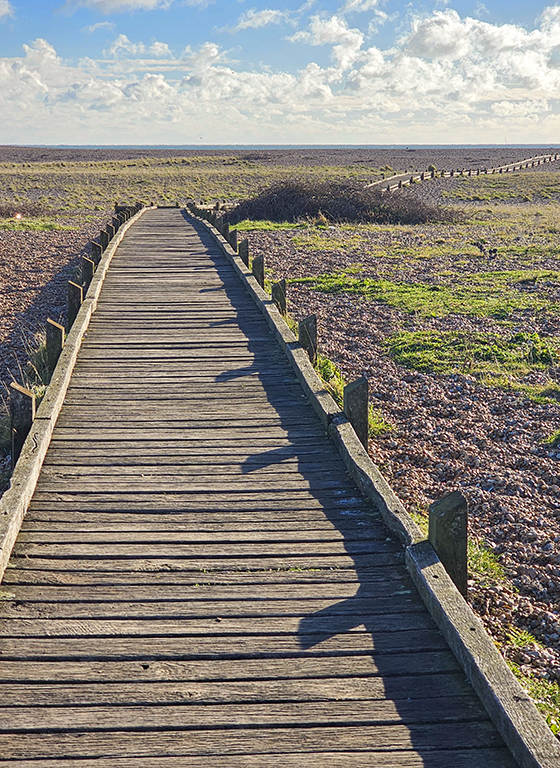
The next day we continued our exploration of the coast, pausing to look at the very long sand beach at Greatstone, where Romney Marsh meets the English Channel. Romney Marsh covers about 100 square miles off the coast of Kent and East Sussex. It is an important wetland area, and sparsely populated. It has been in use since medieval times, and over the centuries the land has gradually been reclaimed, although much of it remains a marsh. It was, and still is, a successful area for sheep grazing, and Romney Marsh sheep are considered to be one of the most important and successful sheep breeds. They are resistant to foot rot, invaluable in wet, marshy conditions, and they produce good meat and high-quality wool. Malaria was a problem for inhabitants until the 19th century, when construction of the Royal Military Canal improved drainage. There is some suggestion that with a warming climate creating ideal breeding areas for mosquitoes, malaria may again become an issue.

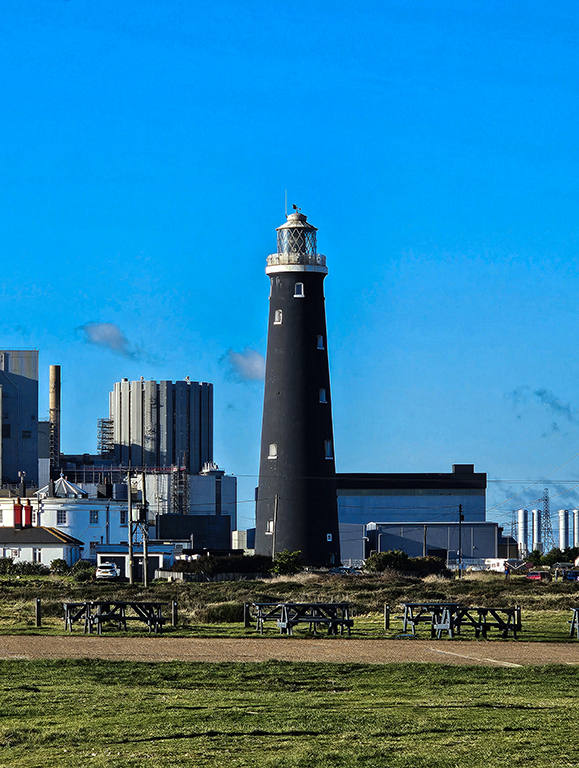
The headland of Dungeness shelters Romney Marsh. It is one of the largest expanses of shingle in Europe. It is the site of Dungeness Nuclear Power Station. There are two power stations, the first was commissioned in 1965, and reached the end of its life in 2006. The second was opened in 1983, but although it was supposed to continue until 2028, problems were discovered during routine maintenance, and it is also shut down.
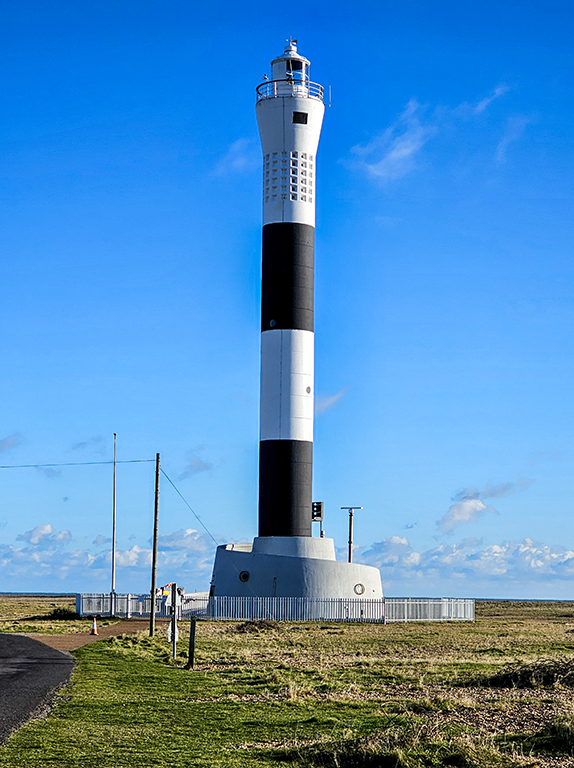
There are two lighthouses currently standing on the headland. The older one, a solid black tower, was built in 1904 to replace an older structure. It is no longer in use but is open as a visitor attraction. Dungeness Lighthouse is the newest structure, beginning operation in 1961 and still in use today. It was needed because the power station obscured the light from the older tower. It was the first major new lighthouse to have been built in Britain in 50 years. The tower is floodlit at night, as an aid to visual navigation and to reduce mortality rates of migrating birds, which were flying into it at night. An electronic signal at the base of the tower sounds a fog signal of one blast every 30 seconds.
Dungeness is also a National Nature Reserve, a Site of Special Scientific Interest, plus various other designations. There are over 600 different types of plants. There is an RSPB Reserve, and a huge variety of moths, bees, and invertebrates, some found nowhere else in Britain.
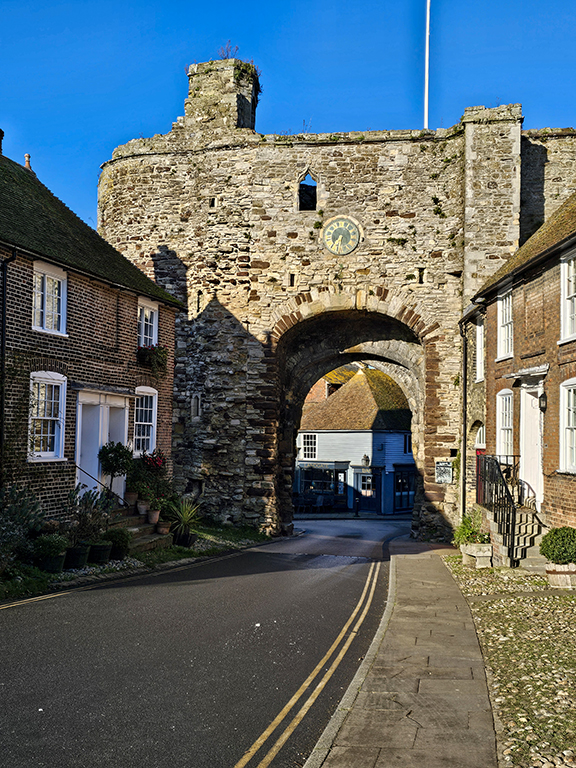
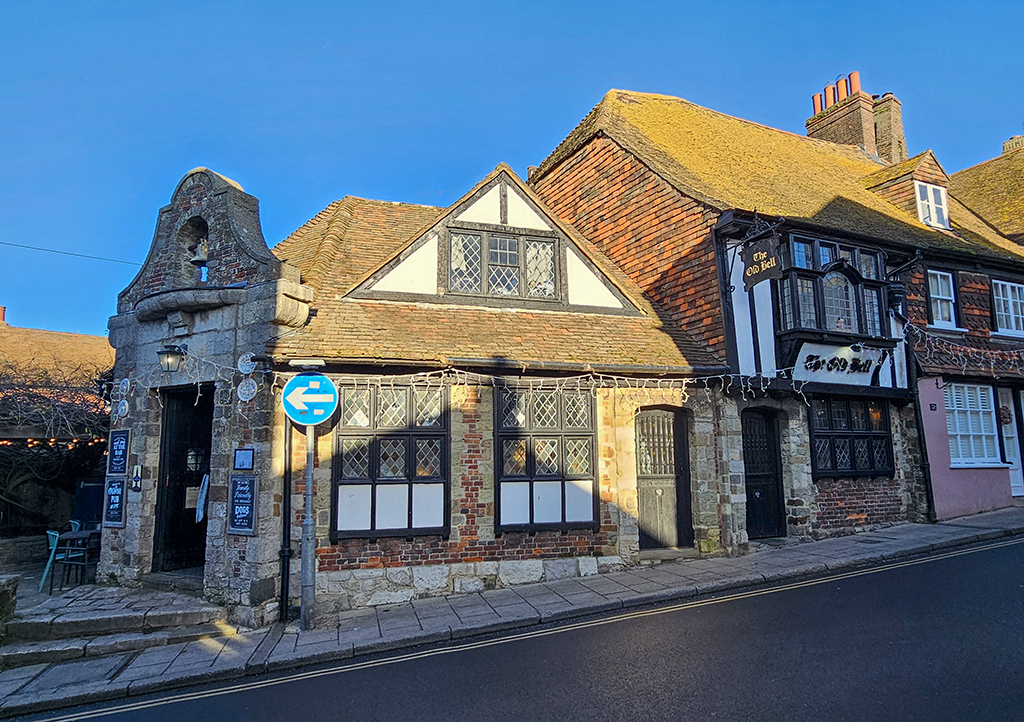
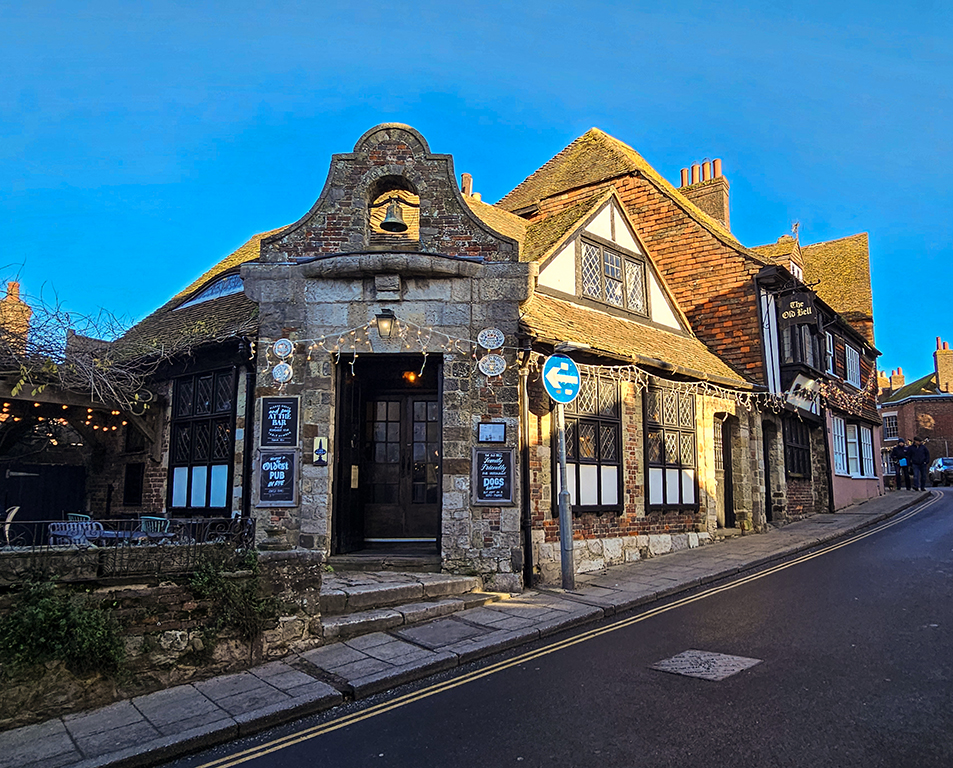
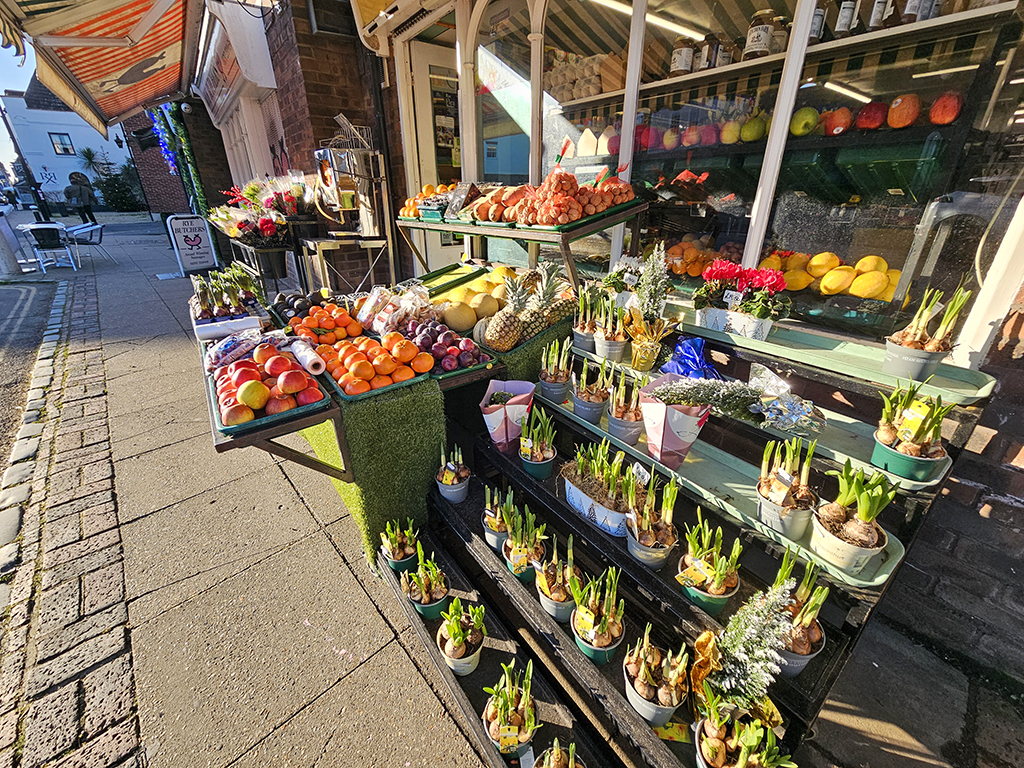
Rye was a highlight. If asked, I would have told you that I know Rye very well, but we explored part of the town centre that was entirely new to me! Rye is in East Sussex, and was one of the original Cinque Ports. In the Domesday Book, Rye was recorded as having 189 households, a significant settlement in 1086. Later, it became a haven for smugglers. The Olde Bell Inn and the haunted Mermaid Inn are said to be connected by a secret tunnel that was used by the infamous Hawkhurst Gang. They operated a smuggling operation and a reign of terror across the south coast during the years between 1735 and 1747.
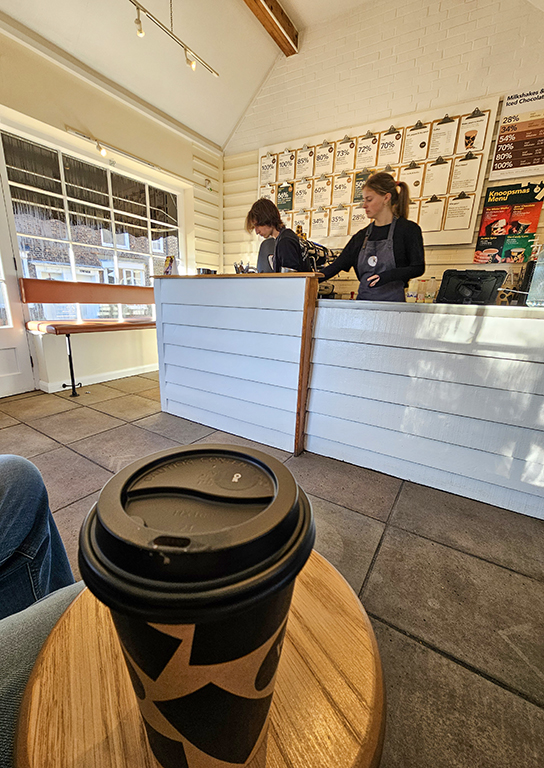
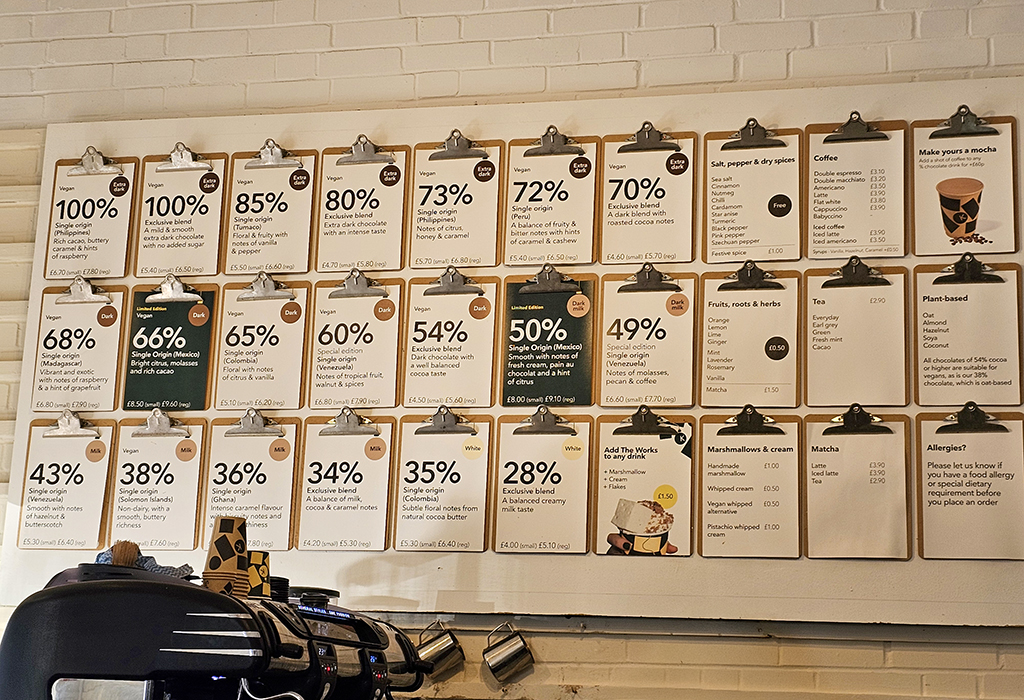
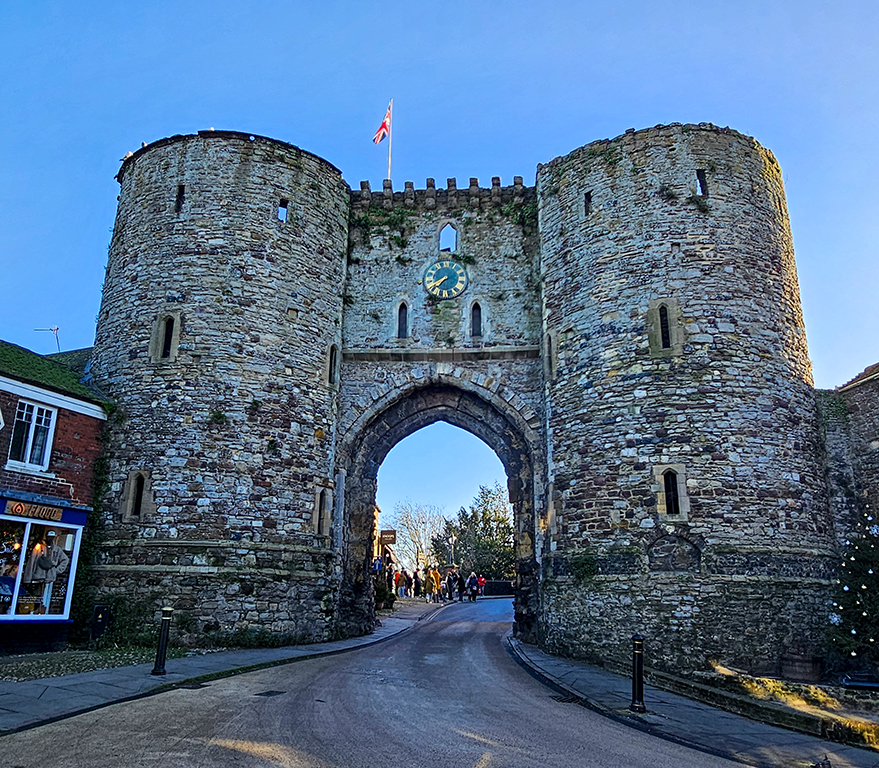
The Landgate dates from 1329. We walked up from the car park and just in front of the only remaining one of four gates in the town, we discovered Knoops Chocolate Café. Feeling quite ready for a pause, we went in and were amazed at the variety of hot chocolate on offer. All are single origin chocolates, and with varying percentages of cocoa. You can have it made with non-dairy milk, so I decided to take the plunge and try it with oat milk. (most dairy products do not bother me, but I cannot drink milk). The drink was absolutely delicious, and I see that you can order Knoops chocolate flakes online, so I will certainly investigate that option.
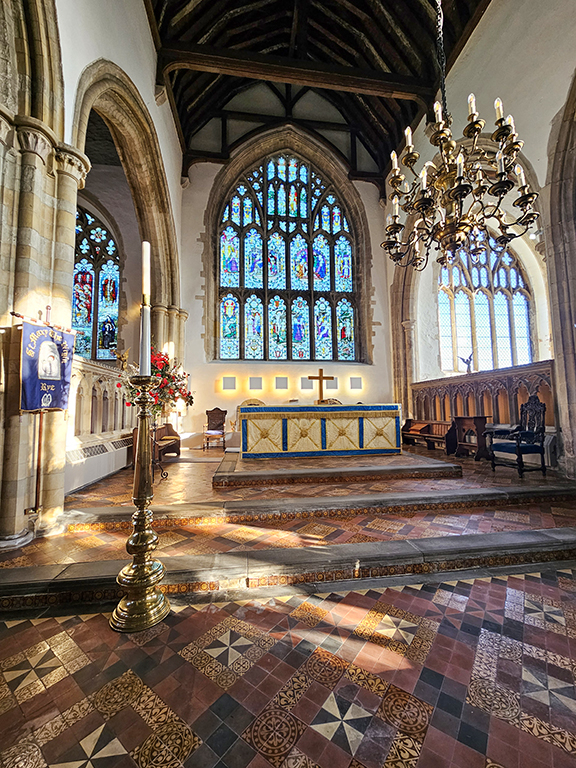
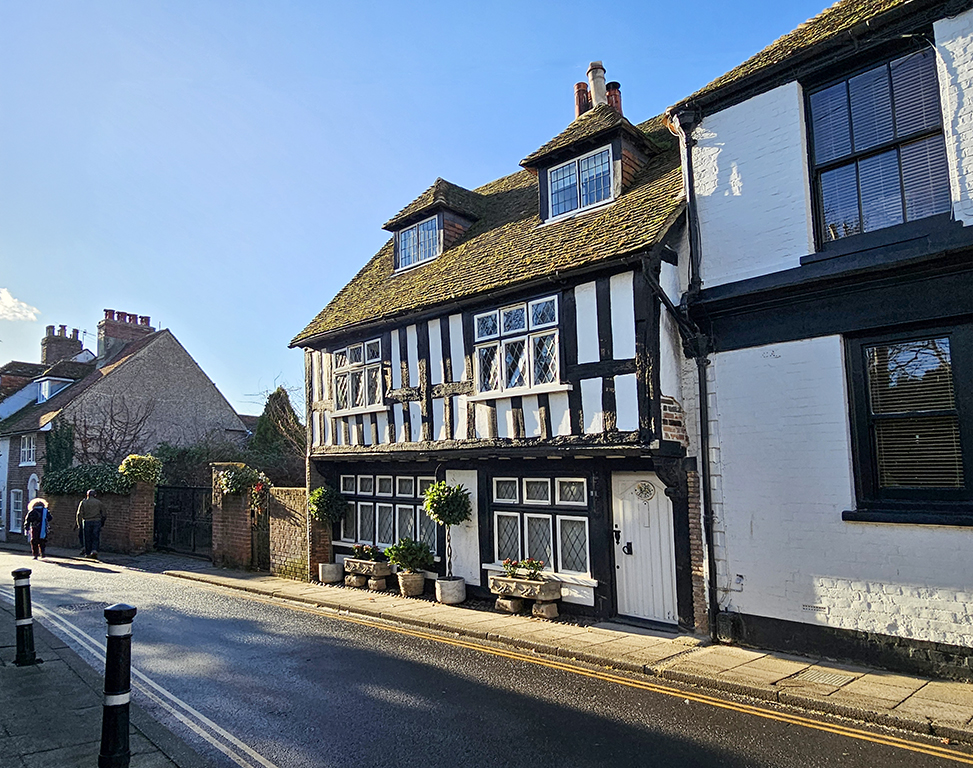
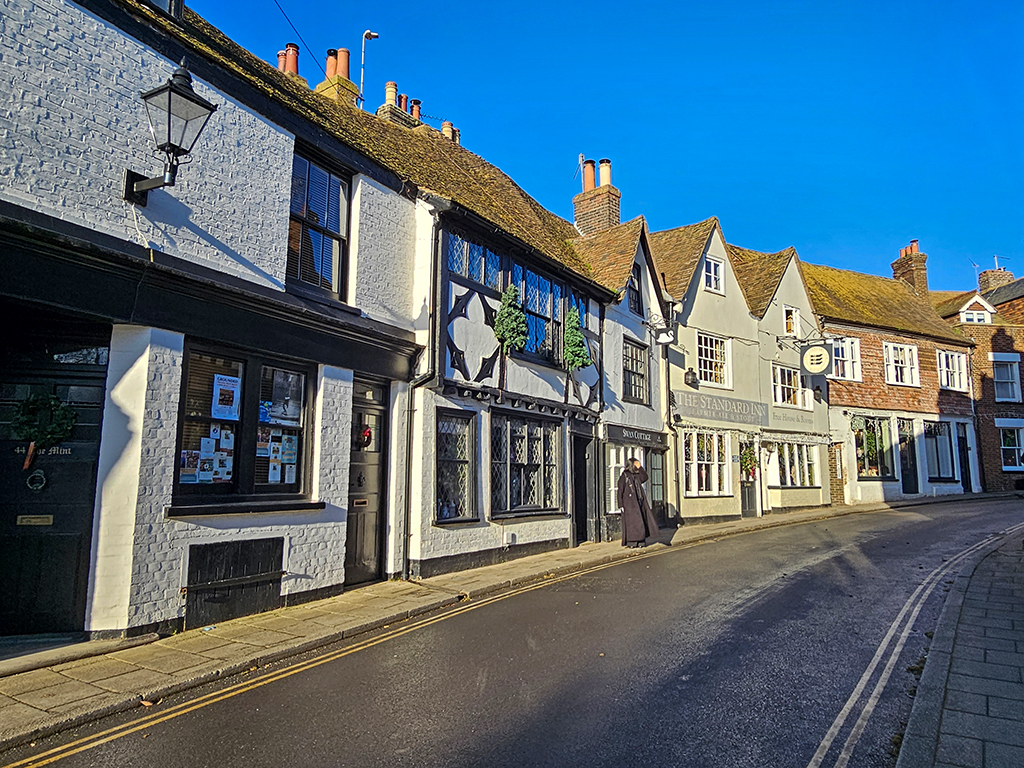
Refreshed, we set off to explore the historic town centre, walking the length of High Street, and The Mint, with a detour up Lion Street. We went into St Mary’s Church, affectionately known until recently as the Cathedral of East Sussex. Construction began in 1150, but there have been many changes in the years since. The New Clock, one of the oldest church turret clocks that still works, was installed in 1561. There are some beautiful stained-glass windows that are mostly Victorian.
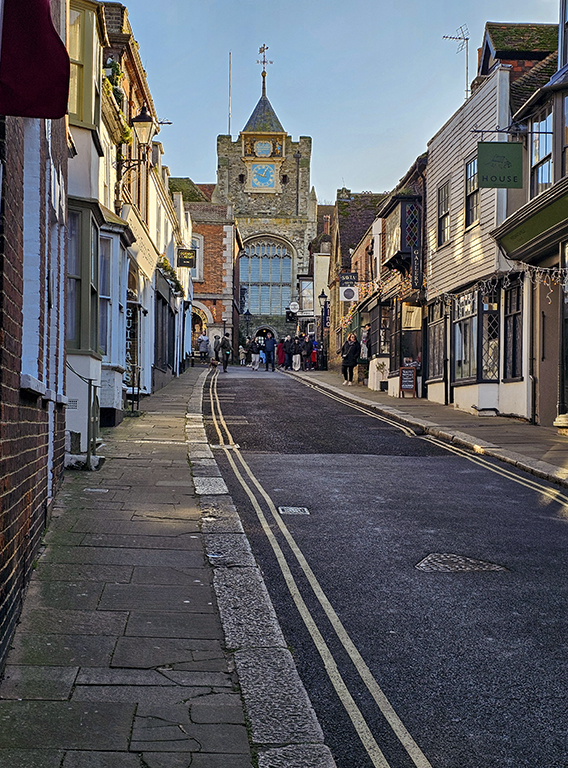

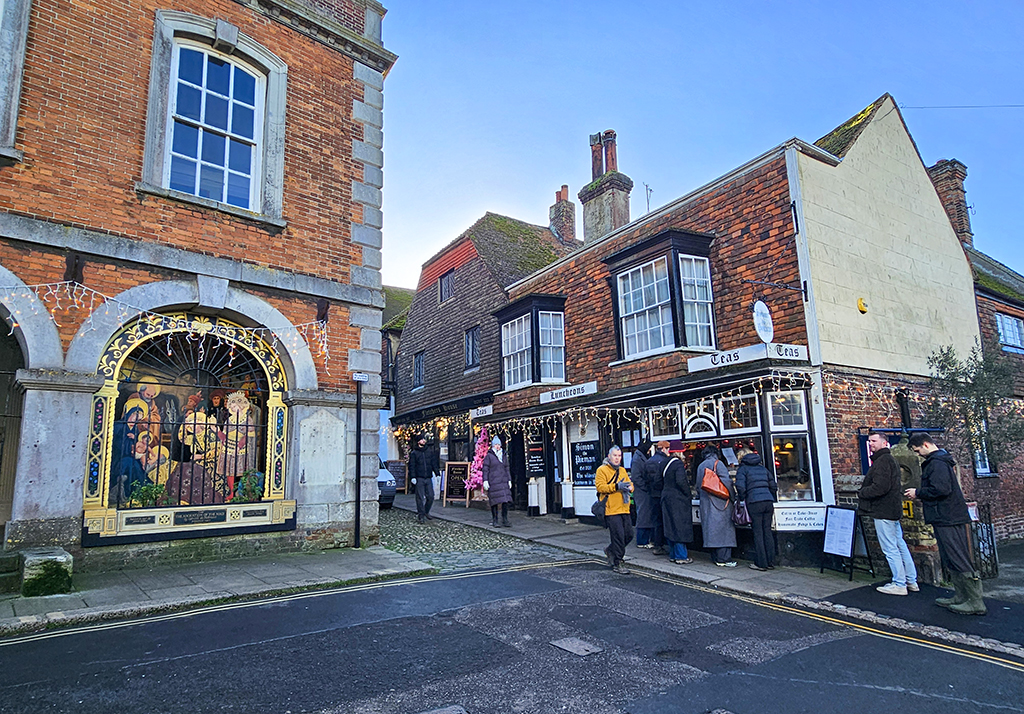
Nearby is the house of playwright John Fletcher, who was as famous during his time as William Shakeapeare. He collaborated with Shakespeare on the writing of Henry VIII and other plays. The house was originally the vicarage for St Mary’s Church, where Fletcher’s father was the vicar. Today it is a successful restaurant. Next door is Simon the Pieman, established in 1920, and claiming to be the oldest tearoom in Rye. Dick was wondering whether to investigate the pies, but expectation of an excellent dinner that evening persuaded him that it would not be a good idea.
The Olde Bell was built in 1390. Supposedly there was a cupboard that opened to a tunnel to The Mermaid Inn. The Hawkhurst Gang would move their goods along the tunnel and make a quick getaway.
We explored most of what was originally the citadel, the outcropping above the harbour. As we made our way back towards the car park, we found that there was quite a crowd outside the chocolate café, testimony to its popularity.


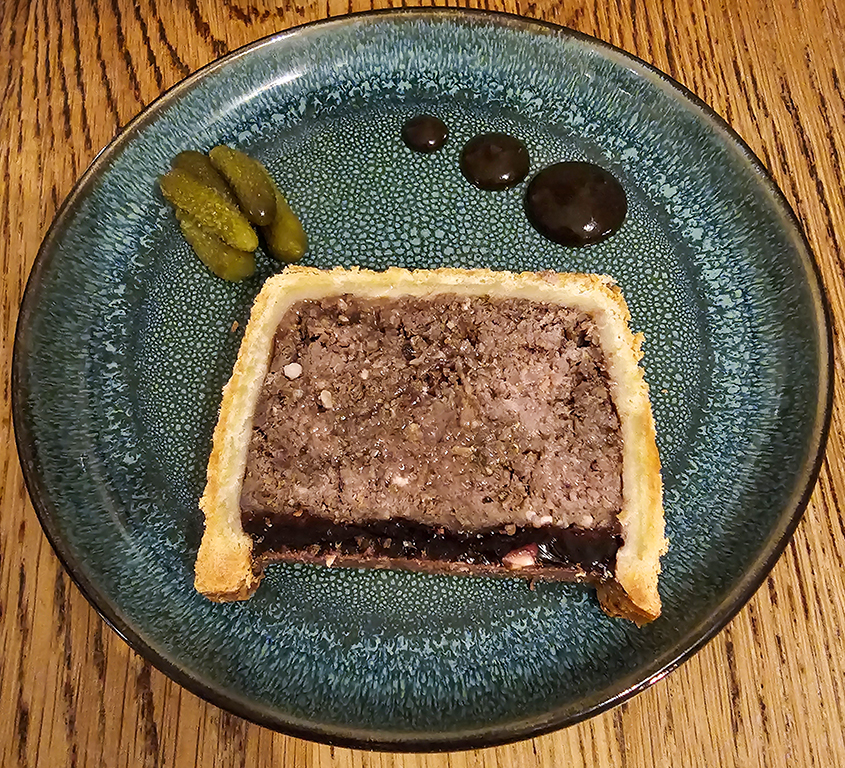
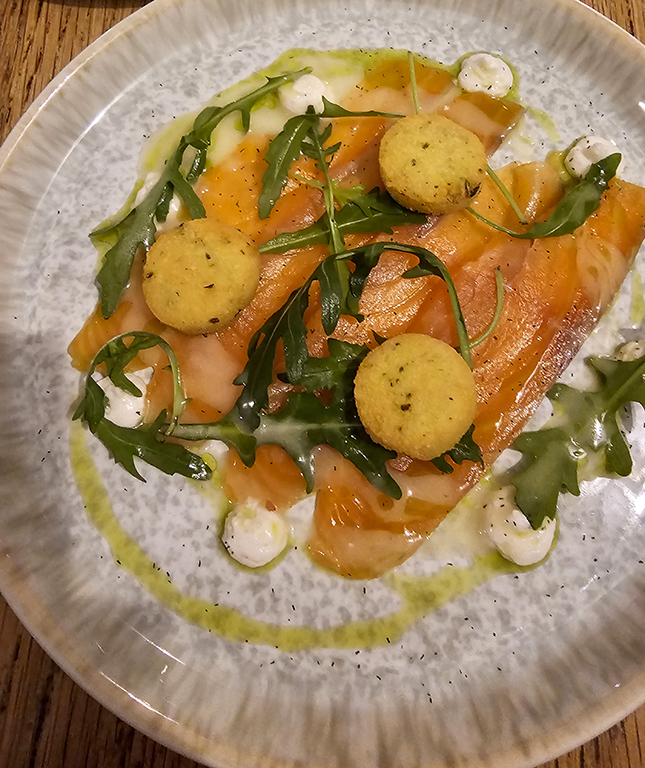
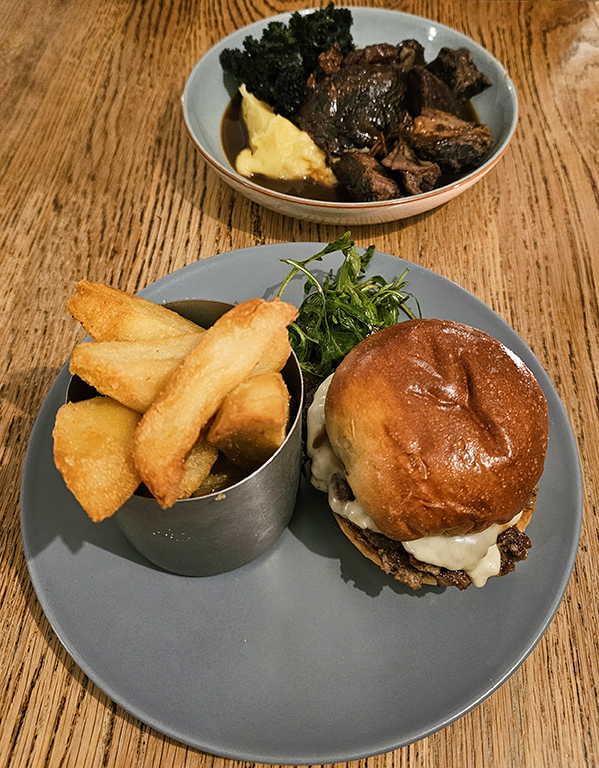
Our reservation for the evening was at The Duck at Pettbottom. It is tucked away in the middle of nowhere, down several single lane roads and quite tricky to find. Ian Fleming wrote “You Only Live Twice” at this pub in 1964, featuring it in his story with its former name, The Woodman’s Arms. It is a popular restaurant, previously listed in Michelin Guide. It closed the year after we visited the first time, but reopened in 2024 under new ownership. The new owner/chef greeted us after our meal and asked if we had enjoyed it. We found it very pleasant, but while the starters were quite interesting, the main courses were more along the lines of excellent pub food than what I would expect from a gastropub.

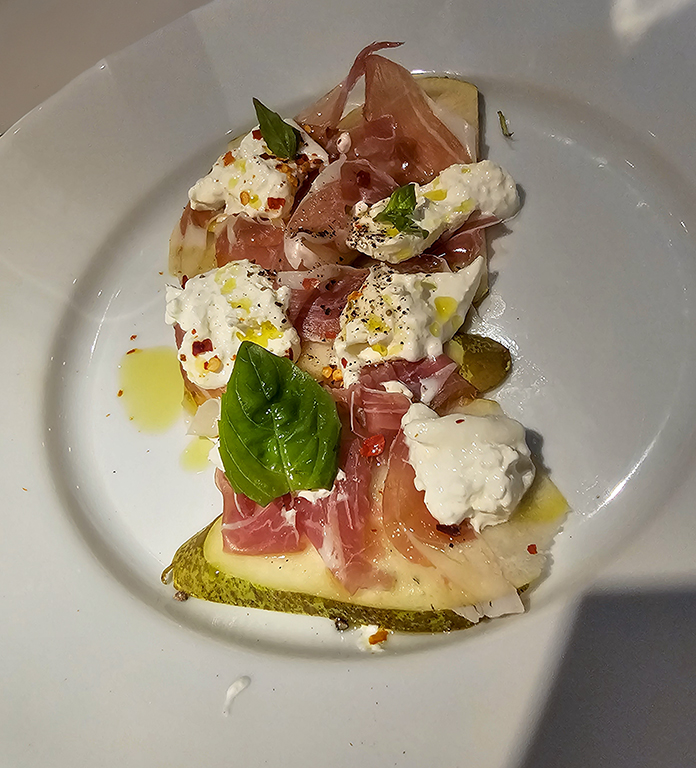
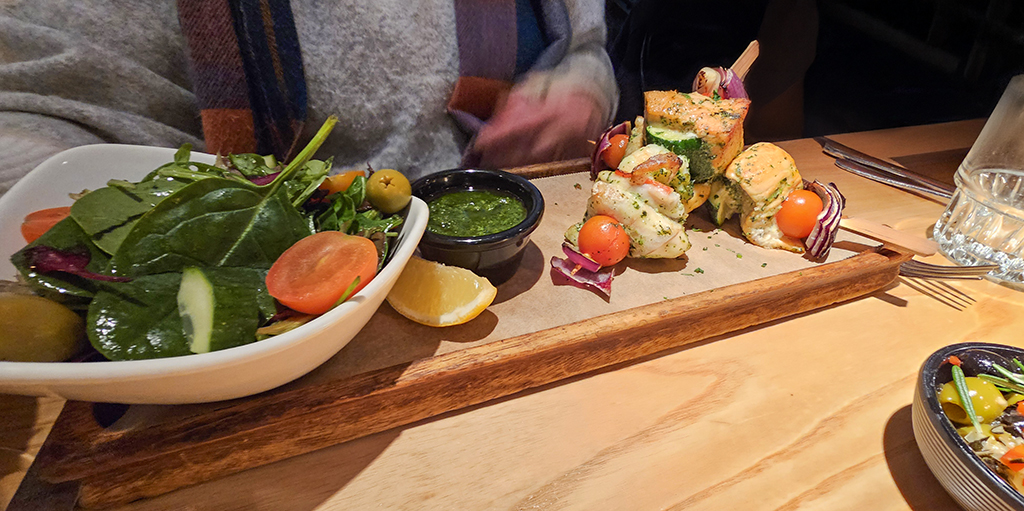
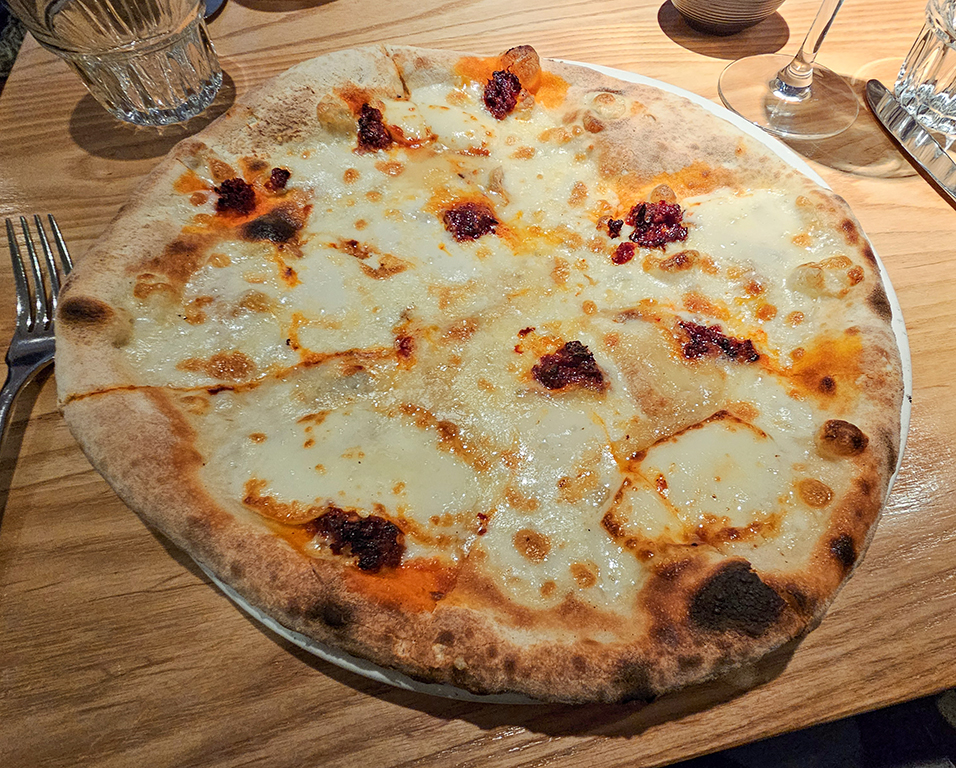
On our final day in the area, we drove east into Surrey, to have lunch with friends. Cucina Italian Restaurant in Oxted, was absolutely packed. The food was excellent and very good value. We drove back to Kent through countryside bathed in the light of a huge full moon.

 Scene and Done
Leave a comment